
The primary years shape more than most parents anticipate. By the time pupils reach secondary school, their trajectory in literacy, numeracy and learning confidence has already been heavily influenced by the six years of structured schooling that came before. For families relocating to Jakarta, where British, IB, Australian and hybrid-international schools sit within a few kilometres of each other, being able to identify a strong primary school matters.
Teaching Quality Is the Decisive Factor
Teaching quality matters more than almost everything else combined. Curriculum frameworks, technology and facilities all have their place, but none compensate for weak teachers. In primary school, the class teacher is responsible for literacy, numeracy, science, humanities, arts, social development and pastoral care across the full school day.
Strong teachers have deep knowledge in early literacy and numeracy. Early reading is not learned through exposure to books alone. It requires explicit teaching of phonics, decoding, vocabulary, fluency and comprehension, introduced in the right order. Early maths demands expertise in number sense, place value and reasoning, not rote counting. A capable teacher understands why a fluent speaker may still struggle to form a sentence in writing, or why a child who recites numbers confidently cannot yet grasp quantity.
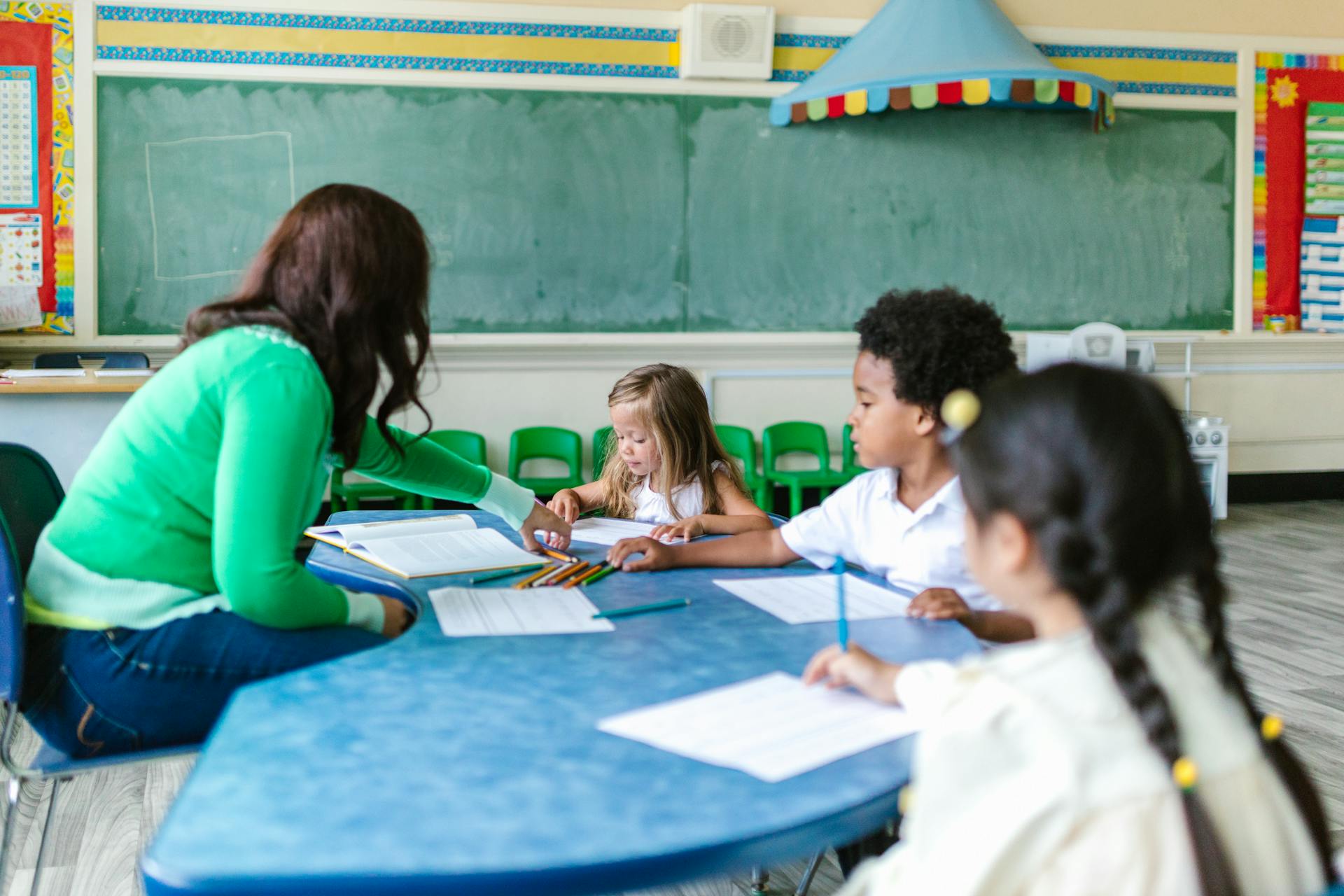
Classroom management in the modern sense means calm, predictable routines. In excellent primary schools, transitions are smooth and instructions are clear. Children know how to begin a task and how to move around without disruption. Visitors often describe it as a calm hum: busy but composed. Schools that retain strong teachers long enough to master the curriculum and collaborate across year groups compound this quality year on year.
Curriculum Coherence, Not Labels
British, IB, Australian and hybrid-international frameworks are what schools advertise prominently. Parents should look beyond the branding and focus on coherence: a well-sequenced curriculum in which knowledge and skills build logically from year to year.
In literacy, this means phonics leading into fluency, then sentence construction, paragraphing and structured writing. In maths, it means progression from concrete manipulatives to abstract reasoning. In science and humanities, it means topics that deepen rather than beginning from scratch each year. Weak curricula rely on loosely connected themes that look busy but accumulate silent gaps, gaps that only surface in the upper years when writing becomes more demanding or maths shifts to abstract concepts.
On a school tour, ask to see workbooks from the beginning and end of the year. A school with a strong curriculum spine will have teachers who speak confidently about why skills are introduced in a particular order and how prior learning is built upon.
Support Systems: EAL, Learning Support, Pastoral Care
Strong schools identify needs accurately. Experienced teachers can tell the difference between a child who is new to English and one who has a phonological difficulty requiring specialist intervention. Misidentification is common in weaker schools: children who need EAL support end up in learning support; children with real learning differences are overlooked because they are socially confident. A well-resourced team of EAL teachers, learning support specialists and pastoral staff works best when caseloads are manageable and communication between specialists and class teachers is constant.
Pastoral care is not a reactive service. Primary-aged children go through rapid emotional development, and strong schools build social-emotional learning into daily practice rather than treating it as something triggered only when a problem arises.
School Culture: What a Visit Reveals
Culture is found in the corridors and transitions, not in policy documents. Parents sense it within minutes: the tone of greetings, how staff speak to pupils, whether children appear relaxed or restless. The strongest primary schools are warm but purposeful. Behaviour systems are simple and consistently applied. Calm classrooms allow teachers to teach and children to think. Without that calm, even strong curricula are undermined.
Independence is a reliable indicator. In exceptional schools, children carry their own belongings, organise resources and resolve minor disagreements without adult intervention. In weaker schools, adults over-manage and over-prompt, inadvertently weakening children's self-regulation. On a visit, watch how lessons begin, check whether workbooks show real progression, and listen to how leaders explain curriculum and assessment.
Breadth, Facilities and Leadership
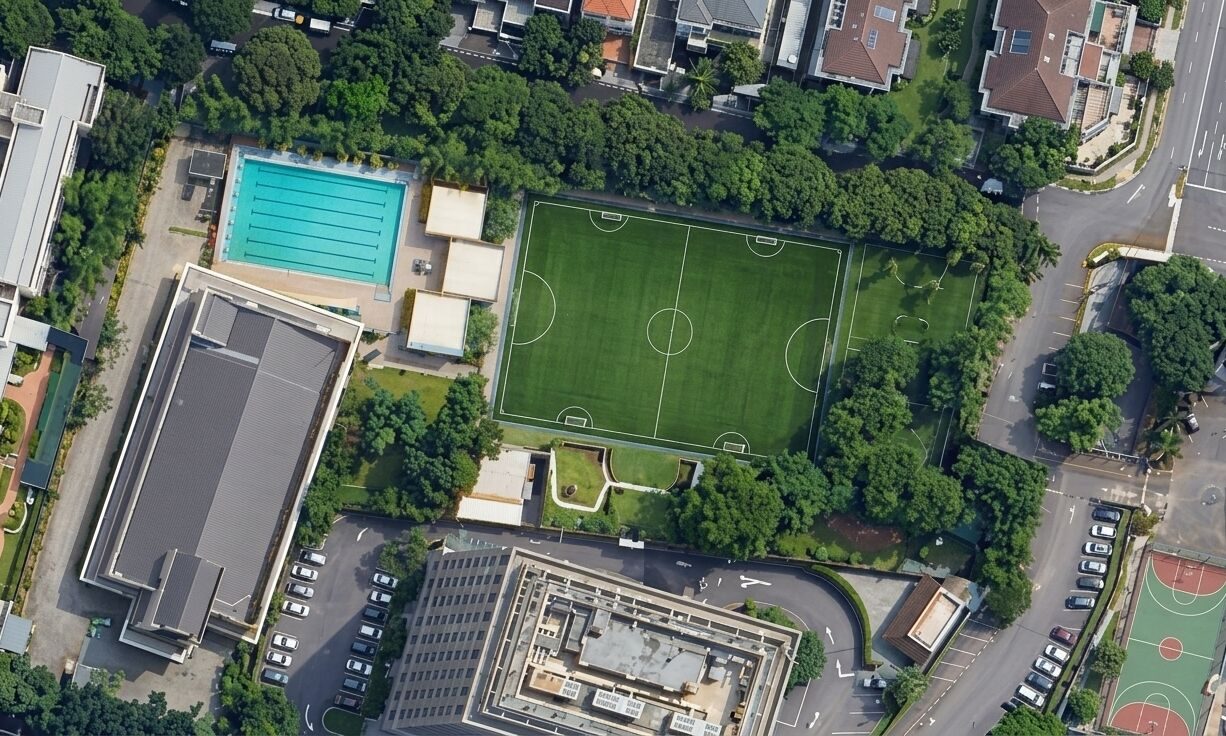
Sport, music, drama, languages and clubs give children the breadth that builds identity and confidence. A beautiful campus, however, tells you very little about teaching quality. A smaller school with a well-stocked library and purposeful classrooms can substantially outperform a sprawling, architecturally impressive one. Practical details matter more: tidy and thoughtfully arranged classrooms, adequate shade in outdoor areas given Jakarta's heat, quiet spaces where a child can read or decompress.
Behind everything sits leadership. Strong leaders set the tone for teaching quality, curriculum coherence and pastoral systems. They hire well, respond to issues promptly and communicate clearly. The result is visible in the calm, coherent feel of the school. Families evaluating primary options across the city may also find the guide to evaluating an international school in Jakarta a useful companion.
With those markers in hand, the next step is a shortlist to test them against. The guide to the best international schools in Jakarta sets out the main options by curriculum, fees and location.
Common Questions
How can I tell if a primary school has strong teaching?
Look for calm, purposeful classrooms with clear routines and teachers who explain learning with confidence. Strong literacy and numeracy instruction is visible in workbooks that show real progression across the year.
Do curriculum labels (British, IB, Australian) matter?
Only partly. These frameworks set direction, but quality depends on how coherently the school implements them. A well-run school with a clear curriculum spine will outperform one with a prestigious label and weak practice.
How important is early literacy and numeracy?
Crucial. These domains shape long-term academic confidence. Strong schools teach phonics systematically, build writing skills step by step, and treat early maths as reasoning rather than rote memorisation.
My child is new to English. Will they cope?
If the school has capable EAL specialists and teachers who understand multilingual children, yes. What matters is accurate assessment, appropriate support and close coordination between EAL staff and the class teacher.
How do I recognise good behaviour culture?
Watch the atmosphere: calm movement between classes, teachers giving concise instructions, children focused without appearing stressed, and a general sense of order without harshness. These things are visible within the first ten minutes of a visit.
Do facilities matter?
To an extent. Libraries, sports areas and shaded outdoor spaces matter more than architectural flourishes. A well-organised classroom with purposeful materials is far more important than a showpiece building.
What should I look for on a school tour?
Watch transitions, observe how teachers speak to pupils, check workbooks for real progression, and pay close attention to how relaxed and confident the children seem. The atmosphere reveals more than any brochure.
Is homework important in primary school?
Not in large quantities. The quality of teaching during school hours matters far more. Short, purposeful tasks that reinforce learning are healthy; heavy loads at primary age are not a sign of academic rigour.
How do I know if a school is well led?
Leaders should articulate the curriculum clearly, speak with precision about teaching quality and respond to questions without marketing language. Strong leadership is visible in the calm, coherent feel of the school as a whole.
What matters most when choosing a primary school?
Expert teachers, a coherent curriculum, calm classrooms, effective support systems and leadership that prioritises substance over appearance. Everything else is secondary.