
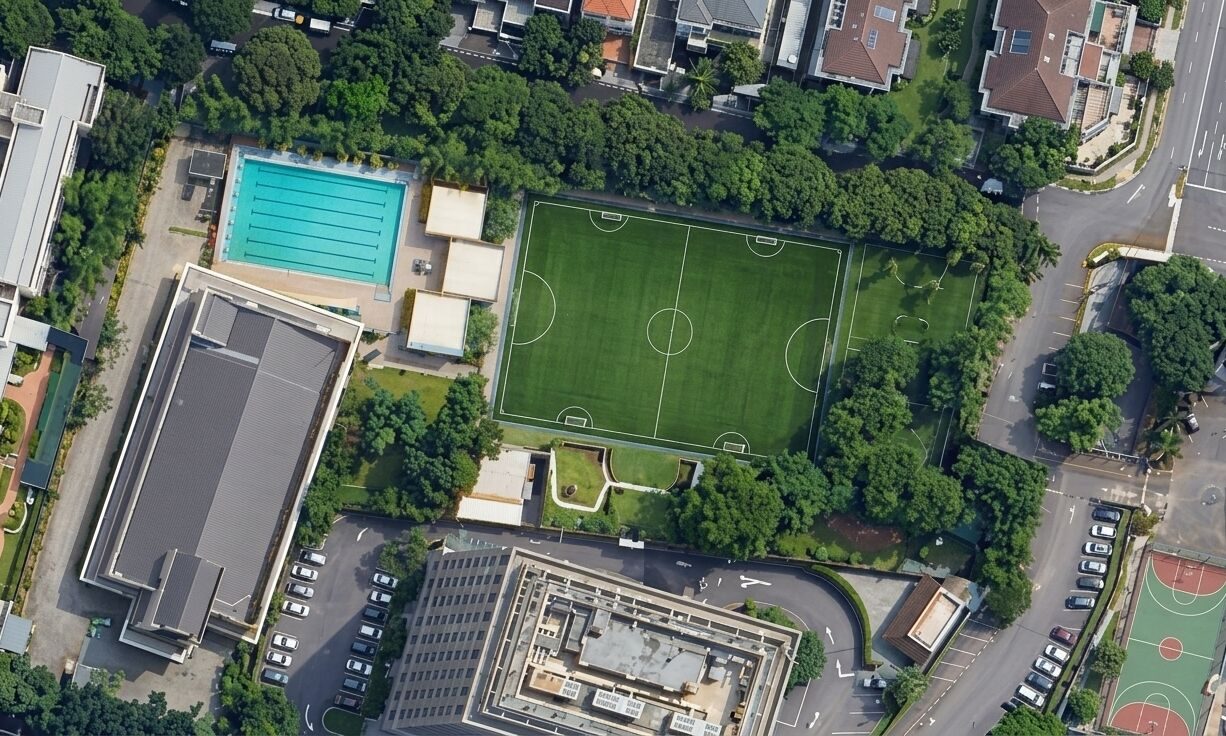

The challenge in choosing an international school in Jakarta is not a lack of information but an excess of it: glossy websites, long facility lists, and slogans that sound almost identical from one school to the next. The real task is seeing what the school is like for a child from Monday to Friday. The signals that matter most are rarely in the prospectus.
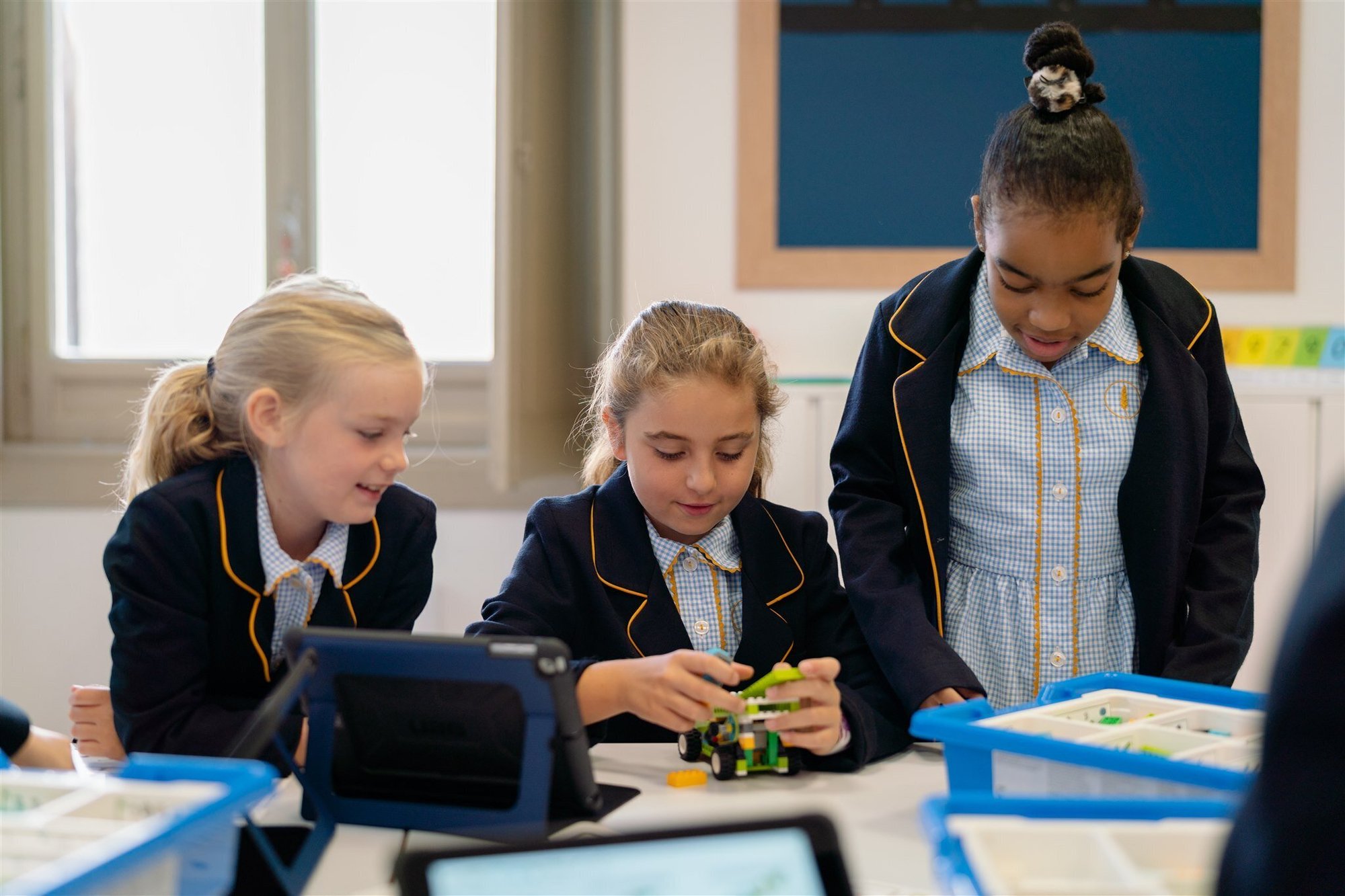
Teaching Quality First
Curriculum, facilities, and fees are secondary to the quality of teaching. A school can offer the right framework and a beautiful campus, but if teaching is inconsistent, a child's experience will be inconsistent too.
When you walk into a classroom, watch whether pupils are doing the intellectual work or whether the teacher is doing it for them. A lesson where children are asked to construct an argument, solve a problem, or explain their reasoning aloud tells you something different from one where they copy notes for forty-five minutes. Watch what happens when a child gives a wrong answer. A teacher who treats that moment as information, asking the class to explore why the answer is wrong, is teaching differently from one who moves quickly past it.
Notice also whether teachers seem to know their pupils. In schools where class sizes are small and relationships are long-term, this is visible without any formal observation: teachers use names without checking a list, and they adjust pace naturally for individual children.
Curriculum Coherence, Not Just Labels
Most international schools in Jakarta will name a curriculum framework: British, IB, American, or Australian. The label is a starting point, not a guarantee. What matters is whether the school applies that framework coherently from one year group to the next.
Ask how the school tracks pupil progress and how it responds when a child falls behind or moves ahead of expectations. A school with a coherent programme will have specific answers: assessment points, diagnostic tools, and clear intervention structures. Vague language about "nurturing the whole child" without specific mechanisms attached is not reassuring. It is easy to say and difficult to verify.
Pastoral Care and Support Systems
Children in Jakarta's international schools are often managing more than academic demands: a new country, a new language environment, and new friendships simultaneously. A school's pastoral infrastructure is directly relevant to whether a child settles and learns effectively.
Ask whether the school has a dedicated learning support coordinator and what that role involves in practice. Ask how children who arrive with limited English are supported, and for how long. Schools that can answer these questions with specifics, naming the person, the process, and the timeline, are schools that have thought through these situations before they arise. Schools that respond with generalities usually have not.
School Culture and Behaviour
Culture is difficult to fake during a tour because it lives in small moments. How do children move between lessons? Do older students acknowledge visitors or ignore them? Does a teacher in the corridor notice a child who seems uncertain?
A school where behaviour is good is one where expectations are consistent, relationships are strong, and children feel known. Ask how the school handles low-level disruption and what parents should expect if their child is involved in an incident. Schools with a clear, coherent approach to behaviour can describe it directly. Schools that have not thought it through will redirect you to their behaviour policy document.
What to Watch on a School Tour
Look at the walls. Do displays show real pupil work, including work that is messy or shows the stages of a process? Or are they uniformly tidy in a way that suggests only finished, perfect work is valued? Look at classroom resources: well-used books and equipment tell a different story from pristine materials that are rarely touched.
Ask to see a lesson that was not pre-arranged for your visit. Most schools will accommodate this request if they are confident in what you will see. A school that insists on controlling every classroom you observe is usually a school that knows some lessons would not impress.
Red Flags and Green Flags
Red flags include: high staff turnover without explanation, inability to give specific answers about curriculum or assessment, a head who cannot speak knowledgeably about individual pupils, and reluctance to let you observe unscheduled lessons.
Green flags include: teachers who stay in post for several years, clear and specific answers to pastoral questions, a library that shows evidence of regular use, and pupils who engage with visitors naturally rather than performing for them. On facilities: impressive buildings do not produce better outcomes on their own. Schools with modest campuses and strong teaching tend to outperform schools with impressive facilities and weak instruction.
The most useful question to ask the head is what the school is actively working to improve. A head who answers with candour and specifics runs the school the same way. Families considering a visit to ISJ can arrange a personalised tour and bring exactly these questions.
These criteria need somewhere to be applied. The guide to the best international schools in Jakarta lays out the main options on curriculum, fees and location, ready for exactly this kind of scrutiny.
Frequently Asked Questions
How long should a school tour take?
A useful tour takes between sixty and ninety minutes. Less than that and you are unlikely to see more than the reception area and a few showcase rooms. Prioritise time in classrooms over time in meeting rooms.
Should I visit more than one school before deciding?
Yes. It is difficult to calibrate what you are seeing without a reference point. Visiting two or three schools in the same week makes it much easier to notice what is different about each one.
What should I ask current parents?
Ask about communication: does the school tell you when something is wrong, or do you find out from your child? Ask how the school handled a difficult situation, whether academic or pastoral. The answer tells you more about the school's culture than any prospectus.
Is accreditation a reliable indicator of quality?
Accreditation by a recognised body such as BSO or CIS provides baseline assurance on governance and safeguarding. It does not guarantee good teaching. Use it as a minimum filter, not as the primary measure of quality.
How do I evaluate a school that is relatively new?
New schools cannot offer long outcome data. Assess the quality of the founding team, the clarity of the educational vision, and the strength of governance behind the school. A new school led by experienced educators from established institutions is a very different proposition from one without a track record.
Does class size matter?
It matters most in the early years, where small groups allow teachers to spot developmental concerns early. In primary and secondary, the quality of teacher attention matters more than the raw number. A teacher who knows their pupils well in a class of twenty-two can outperform one who does not in a class of fifteen.
How much weight should I give to published results?
Published results are useful context, not the whole picture. Ask for subject-level data and information about the full range of outcomes, not just the headline average. Ask also how the school supports pupils who struggle academically. A school that does this well tends to have a culture that benefits everyone.