
Many families assigned to Southeast Asia get a choice of posting city. Choosing between Jakarta, Singapore and Bangkok shapes school fees, commute times, weekends, and how much disposable income is left at the end of each month. Each city is a different trade-off, and none is obviously wrong.
Jakarta vs Singapore vs Bangkok: Cost of Living
Singapore is the most expensive of the three, and the gap is significant. Expat-grade housing runs from $3,000 to $8,000 per month. International school fees typically fall between $20,000 and $40,000 per year. The city's compact, high-density design and strong wage economy mean domestic staff are uncommon.
Bangkok sits in the middle. Housing in established expat areas such as Sukhumvit and Sathorn costs roughly $1,500 to $4,000 per month. International school fees range from $10,000 to $25,000 per year. Domestic help is possible and more common than in Singapore, though not universal. The overall monthly outlay for a family is meaningfully lower than Singapore.
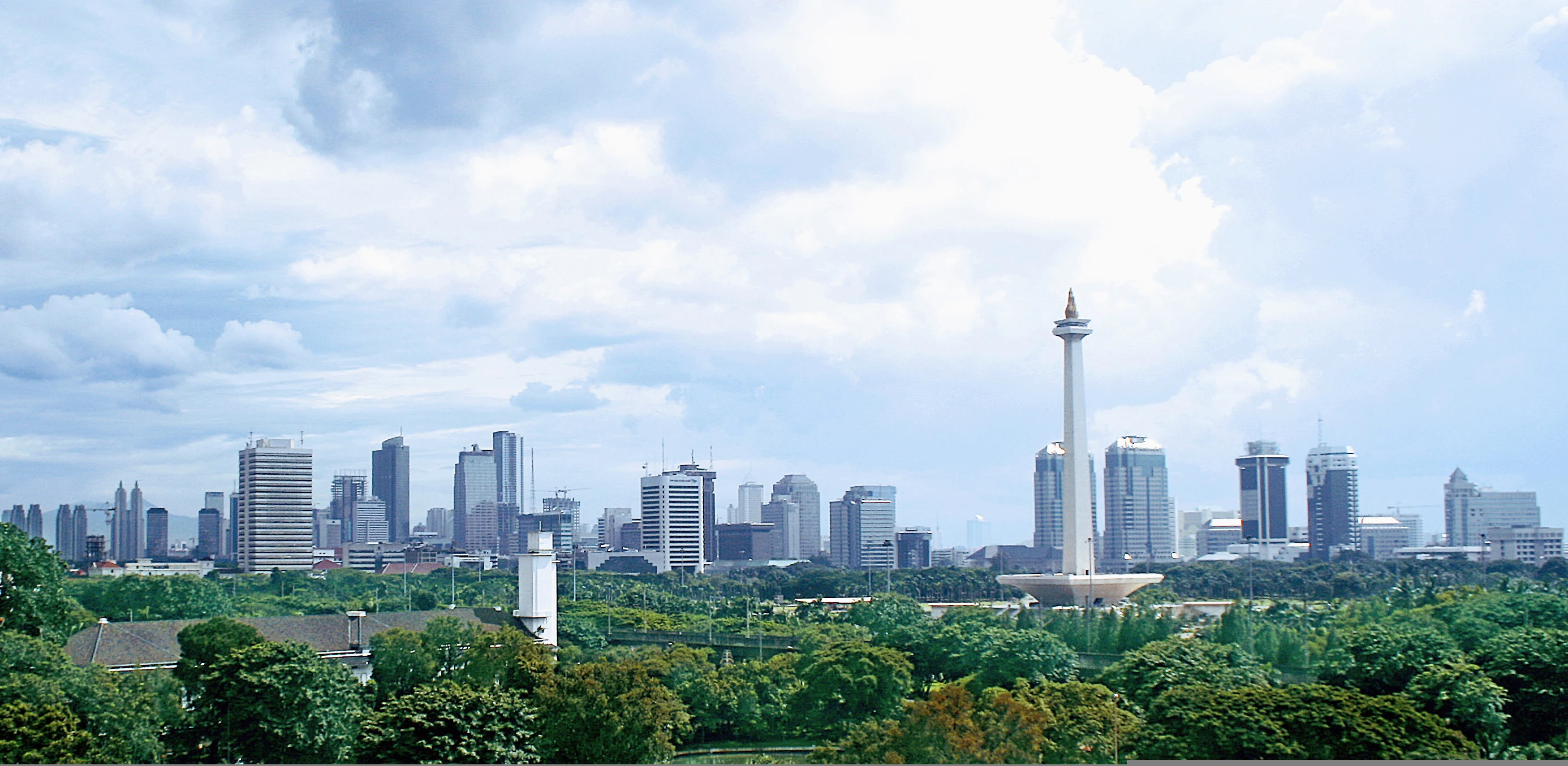
Jakarta is the most affordable of the three. Housing in Pondok Indah and Kemang runs from approximately $1,500 to $5,000 per month for expat-grade accommodation. International school fees range from $10,000 to $35,000 per year depending on the school. The real differentiator is domestic staff. A full-time household helper and a driver together cost approximately $500 to $700 per month in a typical arrangement. This combination, available to families across the income spectrum in Jakarta, does not exist in Singapore and is less common in Bangkok. It changes what family life looks like: school runs happen without a parent driving, domestic admin shrinks, and both parents can work without the logistics collapsing.
Education Options
Singapore has some of the best international schools in Asia. UWCSEA, the Singapore American School, Tanglin Trust, and the Canadian International School are well-established, academically strong, and well-resourced. The main constraints are entry competition and fees. Spaces at the top schools are limited, and fees at the upper end exceed $40,000 per year.
Bangkok offers a strong selection. NIST International School, Shrewsbury International, Bangkok Patana, and Harrow Bangkok provide credible IB and British options. Fees are generally more accessible than Singapore, and places are less contested.
Jakarta's main options include JIS, BSJ (the British School Jakarta), ACG, and ISJ (The Independent School of Jakarta). ISJ is the only school in Jakarta offering both GCSEs and A-Levels. BSJ follows the IB. For families on a British curriculum track, or who expect to move to another British-system school in the next two to four years, this matters. GCSEs and A-Levels transfer cleanly between international schools worldwide. IB's Middle Years Programme has its own sequencing, and moving mid-course creates continuity risk that the British route avoids. The GCSEs and A-Levels guide for families in Jakarta explains what these qualifications mean for university entry.
Quality of Life and Daily Environment
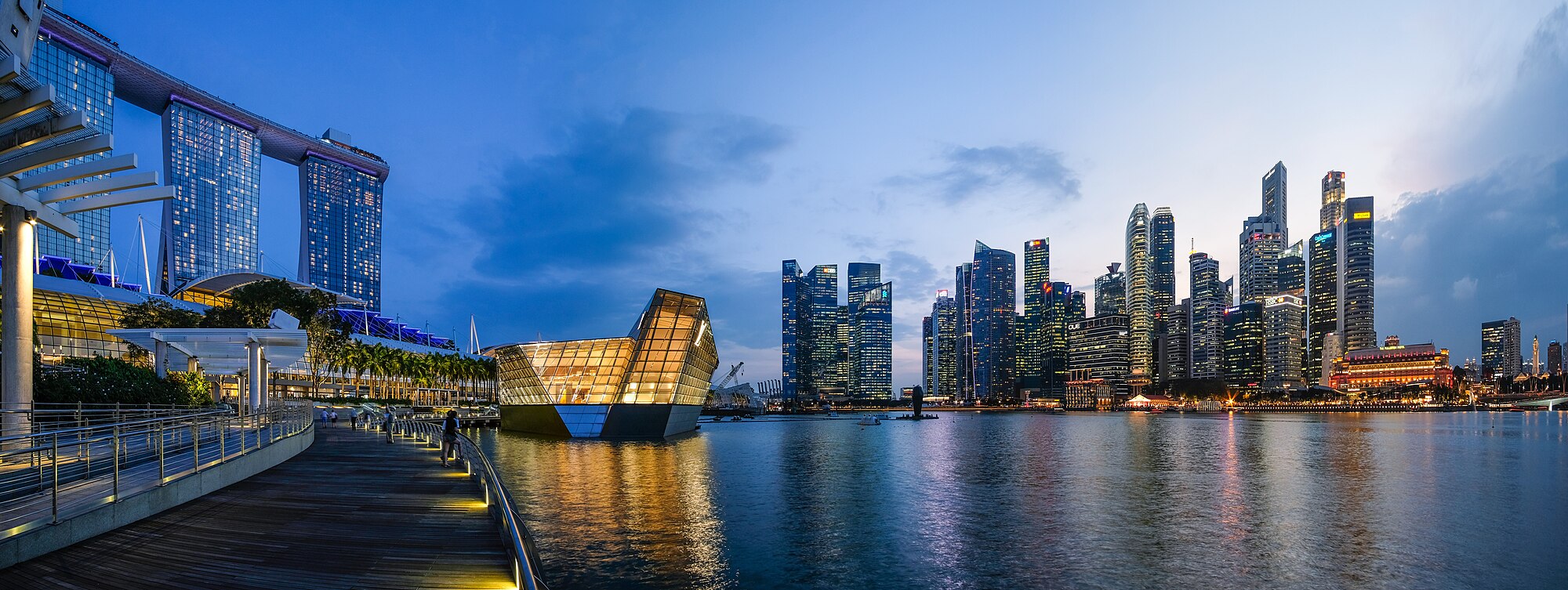
Singapore functions with a consistency that is rare in Southeast Asia. Public transport covers the city well, the streets are clean, and infrastructure is reliable. The trade-off is scale: Singapore is a small island, and outdoor space, wilderness, and spontaneity are limited. Life is comfortable and convenient, but the city can feel managed.
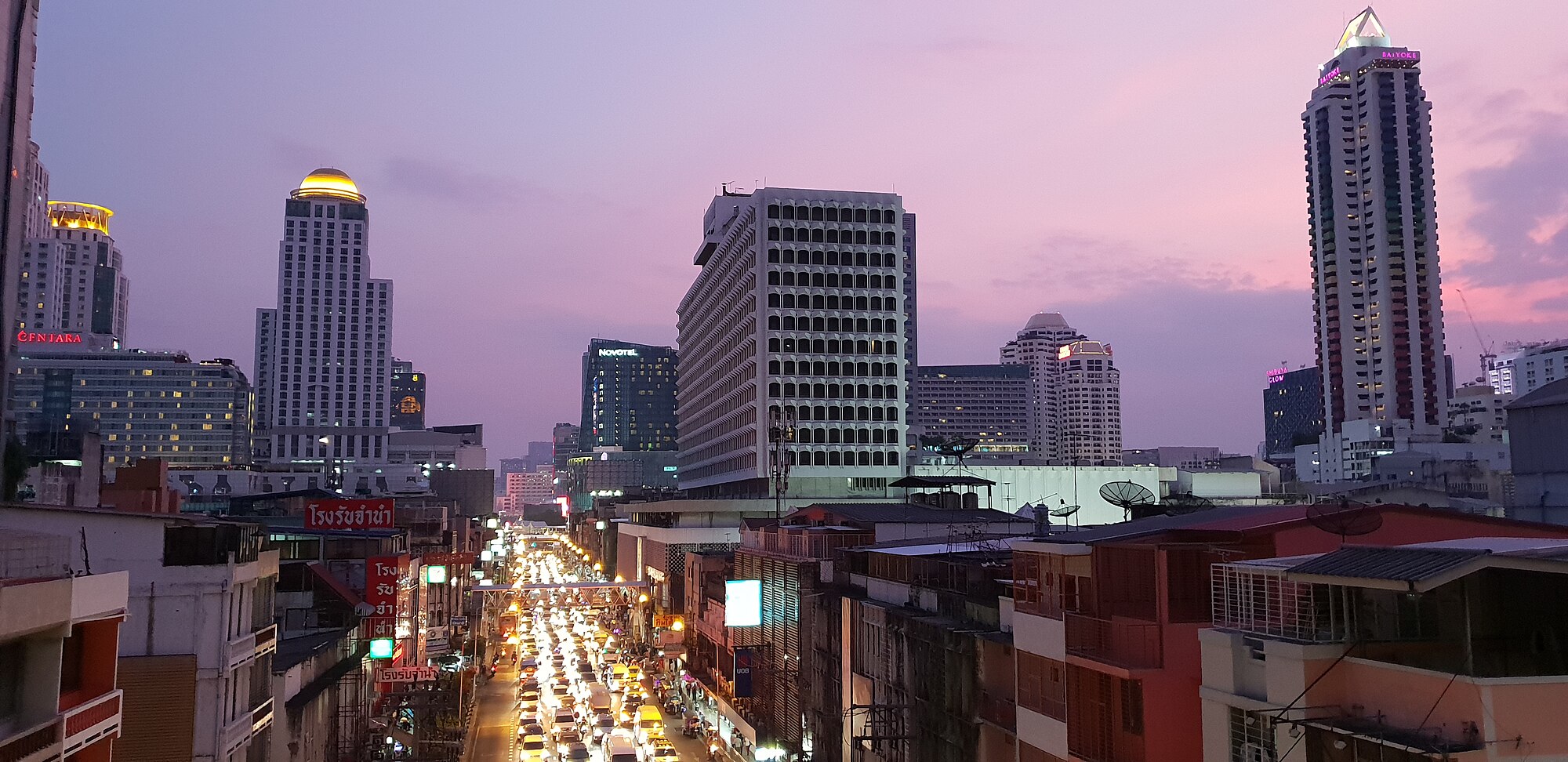
Bangkok is larger, louder, and more varied. The food scene is exceptional, and there is more variety in daily life. Traffic is a real issue, air quality becomes a problem during the burning season from March to May, and the city's organisation is less predictable than Singapore's.
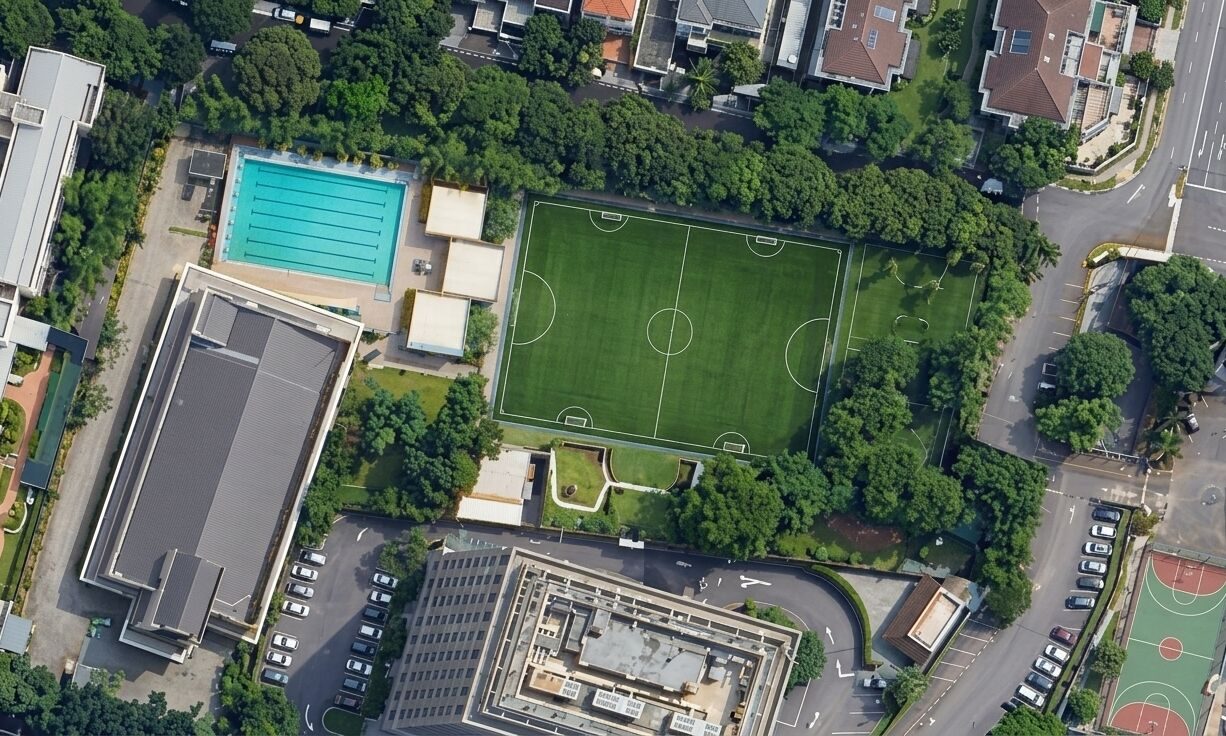
Jakarta is the hardest of the three to navigate daily. Traffic is the defining constraint: journey times are long and variable, and without a driver, logistics become exhausting. Air quality is also an issue, particularly outside the wet season. Those costs are real. At the same time, the South Jakarta corridor around Pondok Indah and Kemang has a character that neither Singapore nor Bangkok quite matches. It is a contained, community-oriented slice of a very large city, and families who settle into it often find it more liveable than outsiders expect.
Healthcare
Singapore has the most advanced healthcare system of the three. Raffles Hospital, Mount Elizabeth, and Gleneagles are well-equipped and internationally accredited. The cost reflects the quality: Singapore is the most expensive for private healthcare in the region.
Bangkok is a strong alternative. Bumrungrad International Hospital is world-class and attracts medical visitors from across Asia. Private healthcare in Bangkok combines high quality with substantially lower costs than Singapore, and the range of specialists is broad.
Jakarta has reliable private healthcare at the top end. MRCCC Siloam, RSPI Puri, and Pondok Indah Hospital handle routine and moderate-complexity cases well. Most families carry comprehensive international health insurance, as they do across all three cities. For complex procedures, some families travel to Singapore. Most international health policies accommodate this, and the flight is two hours.
Safety
Singapore is among the safest cities in the world by any measure. Crime rates are exceptionally low and the rule of law is consistently applied.
Bangkok is generally safe for expats living in established areas. Petty crime exists, and political instability has been a periodic feature of Thai public life, though this has not materially affected daily expat life in most periods.
Jakarta is safe within the South Jakarta expat corridor. Gated residential compounds are the norm, and a visible security presence, the satpam system, is part of daily life at every building and compound entrance. Petty crime exists, as it does in any large city, but serious crime against expats is uncommon.
Social Life and Expat Community
Singapore has a large and diverse expat community, but high turnover is a feature. Families arrive, work for two or three years, and move on. The community is well-organised, with clubs, associations, and activities, but it can feel transactional rather than rooted.
Bangkok has a strong social scene and a wide range of entertainment, and the social life is more relaxed than Singapore.
Jakarta's expat community is tightly concentrated in South Jakarta, and the school gate is the primary social anchor. The community is close-knit, and families who engage with it form friendships quickly. Families without school-age children, or those who arrive without a social entry point, find it harder to break in.
The Verdict
Singapore is the easy choice. Infrastructure works, healthcare is excellent, the city is safe, and schools are outstanding. The price is real: total annual costs for a family including school fees and housing can reach $80,000 to $120,000 or beyond. Generous packages cover this comfortably. Families meeting costs themselves feel the constraint.
Bangkok is the enjoyable choice. It offers good value, a lively food and social scene, and solid schools. The friction points, traffic, seasonal air quality issues, and periodic political uncertainty, are real but liveable. It sits in the middle of all three cities on most dimensions.
Jakarta is the underrated choice. The daily logistics are harder than in either of the other cities. Traffic, air quality, and the scale of the place are not trivial. But the domestic staff culture, the lower overall cost, the tight-knit South Jakarta community, and the curriculum continuity for British-track families add up to something many families describe as more rewarding than they expected. The families who do best here arrived willing to adapt.