
Indonesia's national school system explains most of what puzzles arriving families: why certain schools are off-limits to foreign nationals, and why a child who was in Year 4 in London might not slot into the same grade here.
The Structure of the National System
Indonesia's state education system is divided into three levels. Primary school, called Sekolah Dasar (SD), covers ages six to twelve across Grades 1 to 6. Junior secondary school, Sekolah Menengah Pertama (SMP), runs from ages twelve to fifteen across Grades 7 to 9. Senior secondary school, Sekolah Menengah Atas (SMA), covers ages fifteen to eighteen across Grades 10 to 12. All twelve years are now compulsory, though senior secondary has historically required fees at public schools.
The system is administered by the Ministry of Primary and Secondary Education, with all instruction conducted in Bahasa Indonesia. Islamic schools, known as Madrasah, run a parallel structure under the Ministry of Religious Affairs and follow the same grade levels: Madrasah Ibtidaiyah (MI), Madrasah Tsanawiyah (MTs), and Madrasah Aliyah (MA) correspond to SD, SMP, and SMA respectively.
School Access for Expat Families
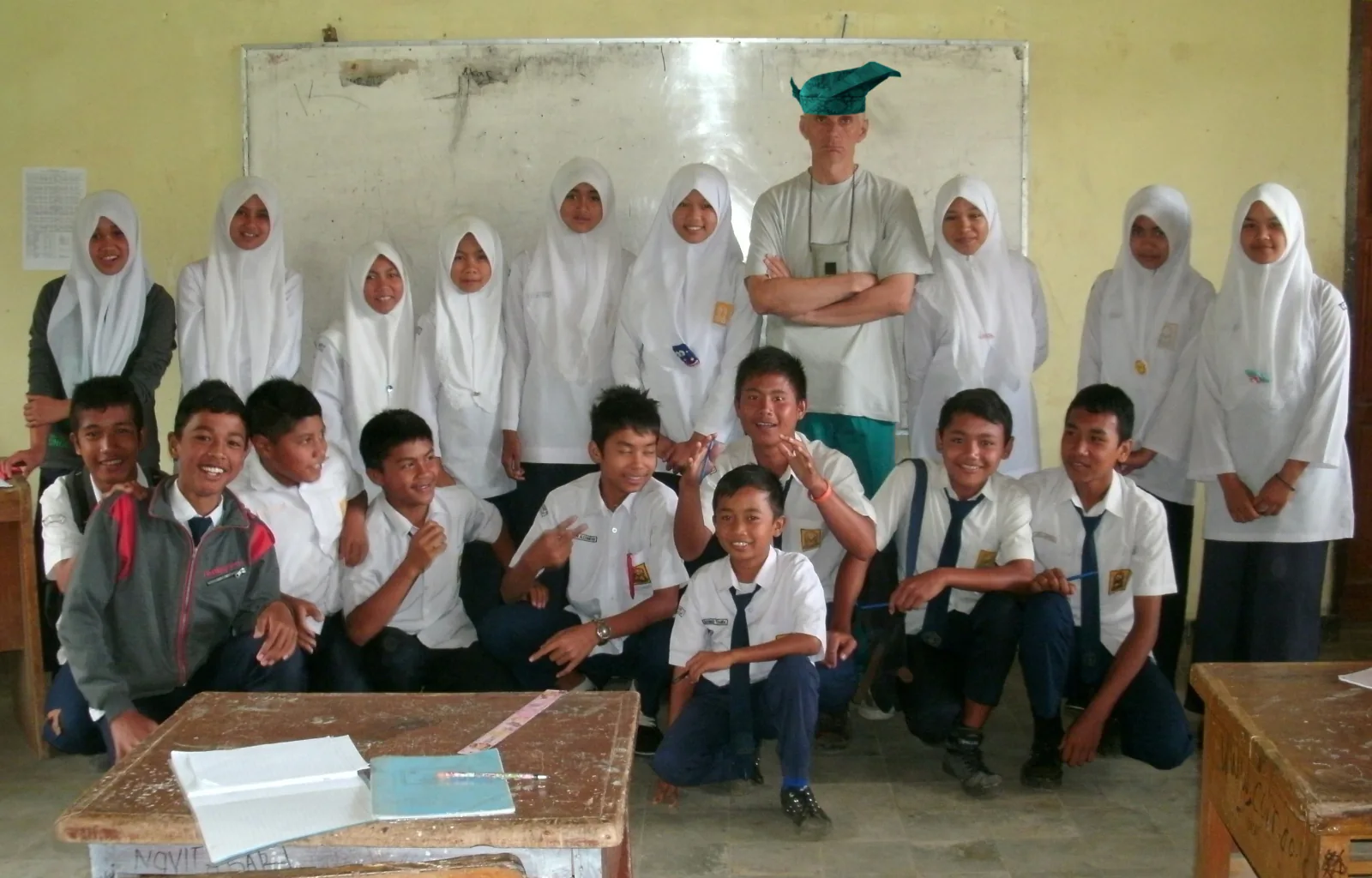
Foreign nationals cannot legally enrol in standard Indonesian national schools (Sekolah Nasional). This is a regulatory requirement, not an informal barrier. Expat children must attend an SPK school, the formal designation for institutions that use a foreign curriculum and employ foreign teachers under a government cooperation framework. Since 2014, this category has replaced the older labels of "international school" and "national plus school." In practice, the international schools that most expat families in Jakarta consider fall under the SPK designation.
Sekolah Nasional Plus schools occupy a middle ground. They typically blend an Indonesian curriculum with some English-medium instruction and additional subjects, and they are primarily designed for Indonesian students seeking stronger language skills. Foreign nationals may sometimes attend these, but the legal position needs checking school by school, and they do not follow international qualification frameworks such as IGCSE or A Level.
The School Calendar and Age Cutoffs
The Indonesian national school year starts in mid-July and ends in mid-June, running in two semesters divided by a short break in late December. That is roughly six weeks ahead of British and northern hemisphere international schools, which typically run September to June or August to June. The catch at enrolment: a child who turns seven in August would sit in a different grade in the national system than in a British school.
Indonesia uses 1 July as its age cutoff for school entry, meaning a child must be six by 1 July to begin Grade 1 in that school year. England uses 1 September. A child born in July or August will sit in different year groups depending on the system. Most Jakarta international schools align their academic calendars and age cutoffs to match their home-country systems, so a British school will use September as the reference and may not move a child to an older year group simply because the Indonesian calendar would.
Kurikulum Merdeka: The Current National Curriculum
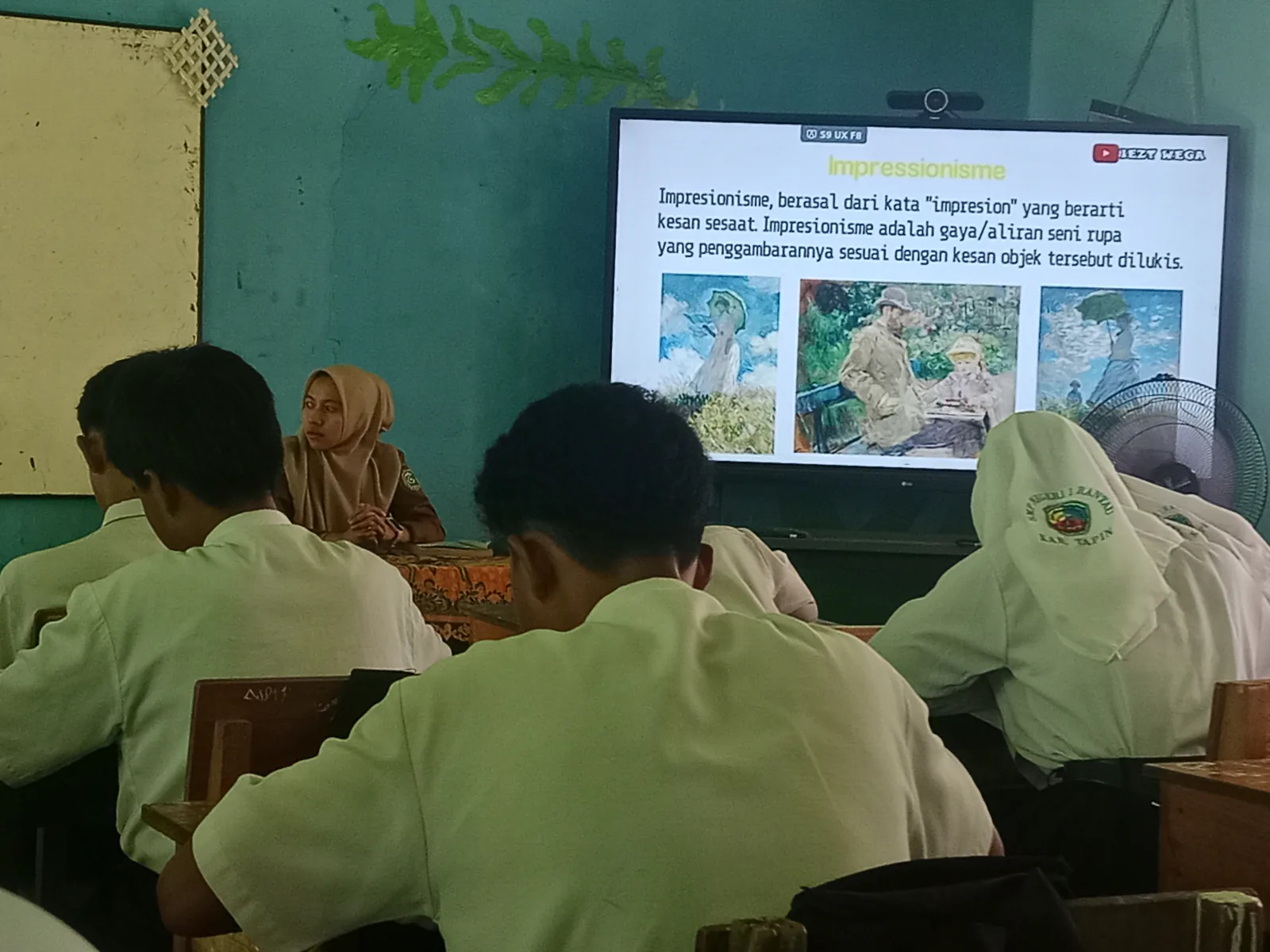
Indonesia's national curriculum has gone through several iterations. The 2013 Curriculum (K13) was in place for a decade but was criticised for being overly prescriptive and for producing uneven results in literacy and numeracy. Its replacement, Kurikulum Merdeka (literally "Independent Curriculum," sometimes called the Emancipation Curriculum), was introduced in 2022 and adopted nationally from the 2024/2025 academic year under Ministerial Regulation No. 12 of 2024. It shifts emphasis toward foundational competencies, project-based learning, and greater flexibility for teachers to adapt content to local context and student ability.
The detail rarely affects an expat family's decisions. Indonesian national school students follow a structured, government-defined programme in Bahasa Indonesia, substantively different from the Cambridge, IB, or British frameworks that international schools deliver.
Why International Schools Are Not Just for Expats
International schools in Jakarta are not mainly for foreigners. A significant proportion of students at most SPK schools are Indonesian nationals, typically from families who prioritise English-medium instruction and internationally portable qualifications. For Indonesian parents aiming to send children to universities in the UK, Australia, or the United States, an IB Diploma or A Levels provides a clearer pathway than the Indonesian leaving certificate.
Classes are mixed, often with Indonesian students forming a substantial share of the cohort. For expat children this is an asset: friendships with Indonesian peers, exposure to Bahasa Indonesia, and a richer sense of the city they are living in.
Mixed Households and Navigating Both Systems
Some families in Jakarta have one parent who is Indonesian and one who is a foreign national. Children from these households sometimes hold dual nationality or Indonesian citizenship, which opens access to national schools. In practice, many such families still choose international schools for the same reasons as Indonesian families seeking international qualifications. A smaller number do navigate both systems simultaneously, particularly if siblings are in different schools or if a child attends an SPK school during the week and madrasah programmes on weekends for religious education.
Indonesian citizenship and residency rules affect which documentation is required at enrolment, and the requirements differ between SPK schools and national institutions.
What This Means
Knowing that foreign nationals are restricted to SPK schools removes one variable entirely. Knowing the July calendar and age cutoff means asking the right questions at admissions, rather than discovering a year group mismatch after enrolment.