

Relocating to Jakarta with young children involves one decision that shapes everything else: where the school will be. Parents who settle that first, and then build housing and daily logistics around it, tend to find Jakarta manageable far sooner than those who do it the other way around. The city is large, traffic is the defining constraint of daily life, and a school run that takes twelve minutes at 7am can take forty by 4pm.
Once those practical pieces are in place, many families find Jakarta unexpectedly liveable. Young children settle quickly, neighbourhoods become familiar, and the city is more domestic than its reputation.
School Choice Comes First
International schools in Jakarta operate on three different academic calendars: British, IB, and American schools run August to June; Australian schools run January to December. The timing of arrival influences how easily a child slots into a year group, which makes early contact with schools worthwhile before the move is confirmed.
At early-primary age, the distinction between curricula is more practical than philosophical. British schools suit families who move frequently between postings: a child transitioning between British schools typically joins a familiar sequence of phonics, literacy and numeracy. IB PYP schools take an inquiry-led approach and suit children who respond well to project-based learning. American and Australian schools use broader, continuous-assessment styles and are often a comfortable landing point for families who have not yet committed to a long-term pathway.
Year groups in Years 2-5 often fill first, not because schools are selective, but because class-size limits are deliberately kept low. Families relocating with children in that range should confirm place availability before finalising a move date.
Neighbourhoods
Most expat families with young children settle in South Jakarta, in the corridor running through Kemang, Cipete, Cilandak and Pondok Indah. This is where the majority of international schools are, where the infrastructure for family life is concentrated, and where keeping the school run under 20 minutes is achievable.
Kemang is the city's long-standing expat enclave: narrow streets, a dense concentration of cafes, and the social ease of running into half your future school-parent community at Playparq Kemang or Beau Bakery on a weekday morning. The trade-off is that Kemang streets flood after heavy rain and the main strip gets congested. Cipete and Cilandak, just south, are calmer and more residential. Clinics such as SOS Medika Cipete are five to ten minutes away.
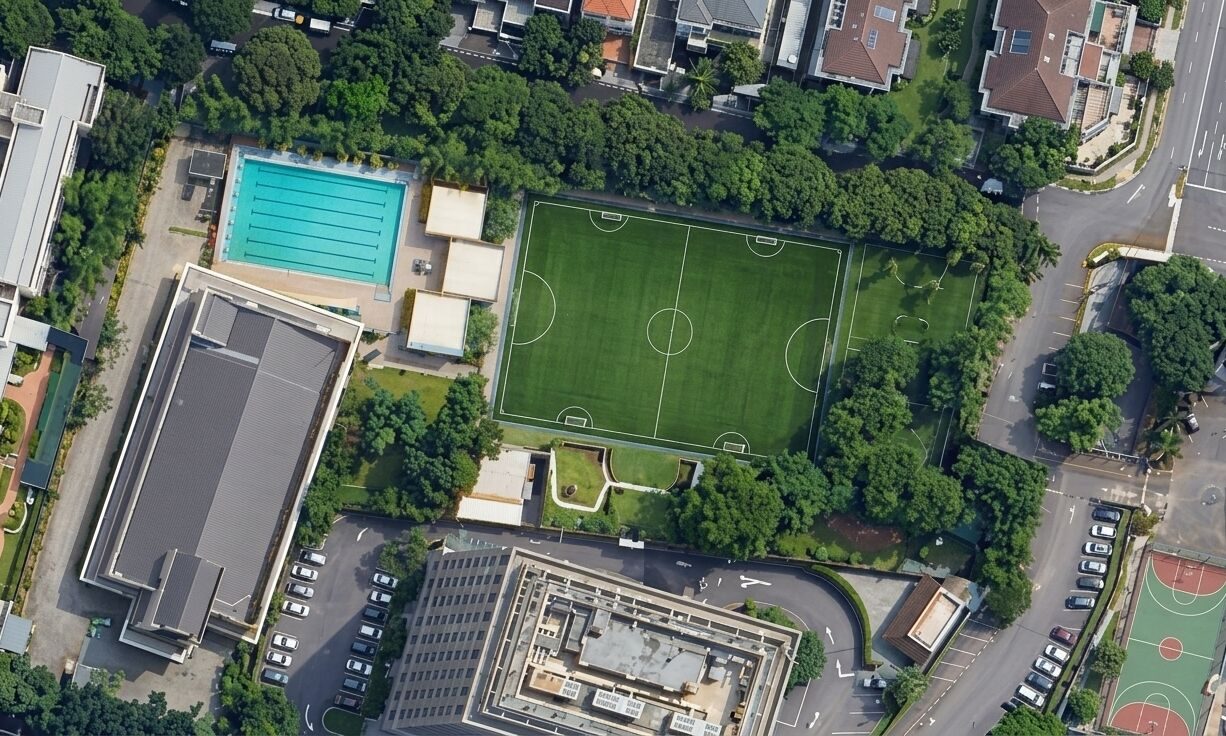
Pondok Indah is more suburban: wide roads, large houses, and Pondok Indah Mall within easy reach for groceries and a rainy-afternoon visit to the indoor play areas. ISJ is located in this neighbourhood, and the surrounding streets are predictable and unhurried. Families wanting newer infrastructure sometimes choose BSD or Alam Sutera, where pavements and parks exist in a way they rarely do in the city centre. The trade-off is time: those areas add 45 minutes or more to most office commutes.
Daily Routines
Drop-off typically happens before 8am, before the second wave of traffic settles in. Afterwards, parents gather at cafes like % Arabica in Kemang. This is where much of the informal parent network gets built.
Afternoons belong to enrichment: swimming lessons in Kemang, martial arts in Cilandak, music at studios tucked between houses. Kidzania at Pacific Place and Miniapolis serve as reliable wet-season alternatives when heat or rain makes outdoor plans impractical. Weekends: Ragunan Zoo for shaded paths and space, GBK's open grounds for scootering, a Sunday brunch at Twin House in Cilandak or Dapur Ciragil for Indonesian food.
Household Support
Domestic support is one of the biggest lifestyle changes. Many households employ a nanny or helper, either living in or commuting daily, which gives parents breathing room in a city where traffic and heat complicate even straightforward logistics. Nannies often accompany children to swimming lessons, supervise afternoon play while parents work from home, and provide consistency during the disorienting early weeks.
The guide to helpers and drivers in Jakarta covers the practical and cultural side of those arrangements.
Healthcare for Children
South Jakarta is well served by clinics familiar to expatriate families. SOS Medika Cipete handles paediatric care and vaccinations and is used widely across the area. Brawijaya Women and Children Hospital on Antasari covers routine check-ups and specialist referrals. RS Pondok Indah is often used for diagnostics and emergencies; Mitra Keluarga Kemang offers a convenient midway option for families in the north of the area.
Children adapt to Jakarta's heat faster than adults. Most families run an air purifier at home, and schools update outdoor-play policies when haze levels rise. Air quality varies by season, so parents tend to monitor apps during the drier months from June to October.
The First Three Months
Relocation is rarely seamless. Children may sleep poorly, cling more, or demand familiar routines. Parents may feel disoriented by the climate or the sprawl. It usually steadies within six to twelve weeks: excitement first, then a dip, then routines form and friendships stick.
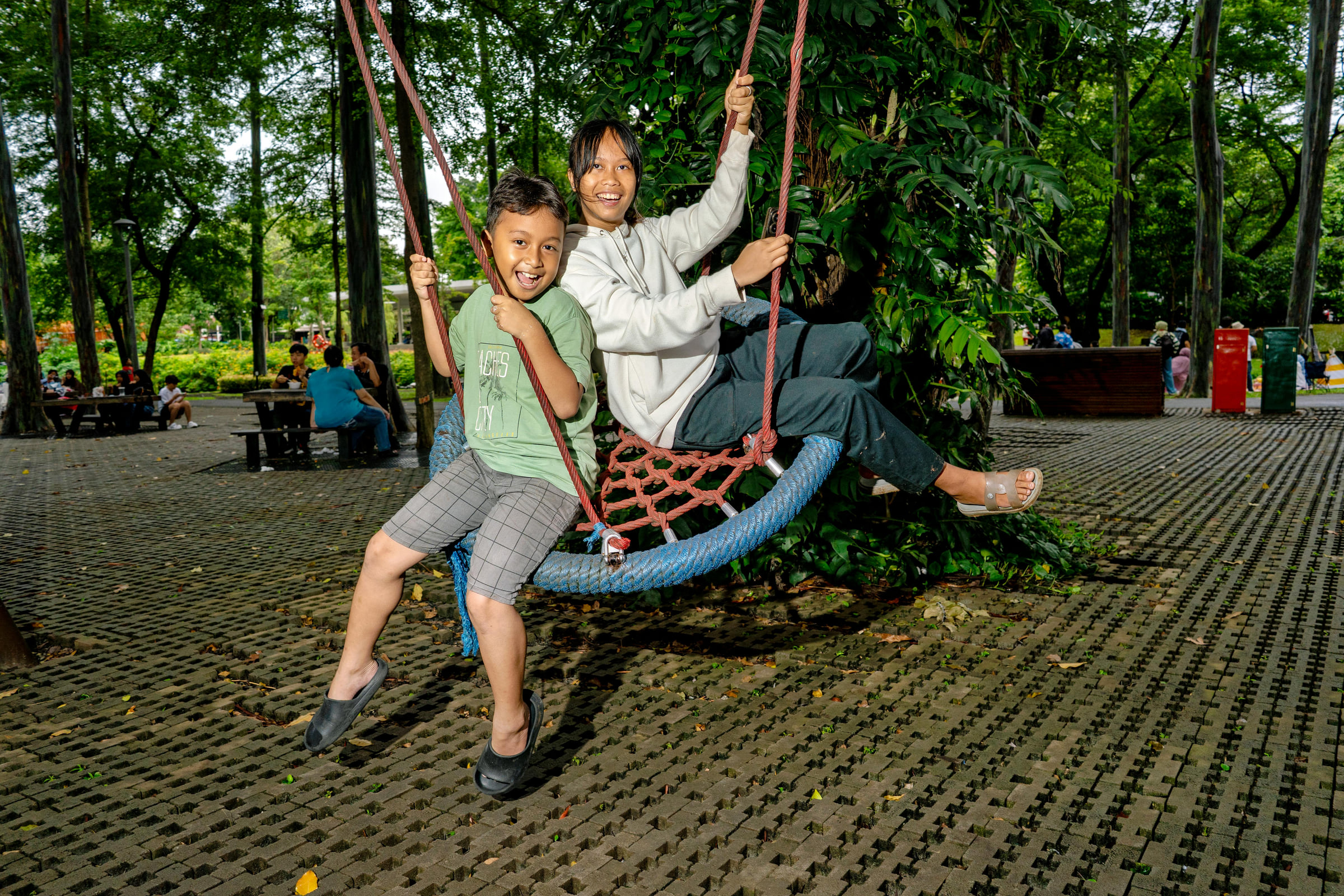
Parent communities at international schools anchor social life quickly. WhatsApp groups form within days of the school year starting, and names become faces at morning drop-off. Children form friendships in playgrounds, swimming pools and classroom corners. Playdates, more often indoors than out, help children feel rooted earlier than almost anything else a parent can organise. Families who engage with Indonesian food and culture feel connected to the city rather than stationed in it.
Starting with the school means starting with the shortlist.
Common Questions
Is Jakarta family-friendly for young children?
Once you understand its micro-geography, Jakarta becomes more manageable than it first appears. Neighbourhoods such as Kemang, Cipete, Cilandak and Pondok Indah offer stable routines, familiar faces, and well-established family infrastructure. The scale of the city matters less than the size of your immediate daily radius.
How important is living close to school?
Very. Commute times dictate family routines more than any other single factor. Even short distances stretch considerably during peak hours. Most families aim to stay within 10-25 minutes of their child's school. The school run is the anchor around which everything else is arranged.
Which clinics and hospitals do expat families use?
The most-used options in South Jakarta are SOS Medika Cipete, Brawijaya Women and Children Hospital (Antasari), RS Pondok Indah and Mitra Keluarga Kemang. These are familiar to international schools and widely used for paediatrics, vaccinations, and specialist referrals.
How quickly do young children settle after moving to Jakarta?
Most children settle within 6-12 weeks. Expect tiredness, clinginess, and a period of adjustment to heat and routine. Stability helps: predictable bedtimes, simple after-school routines, and regular weekend patterns work better than trying to accelerate the process.
What kind of childcare support is typical in Jakarta?
Many families employ a nanny or helper, either live-in or commuting daily. This makes childcare flexible and helps children maintain consistent routines despite the city's traffic and climate. The arrangement is common across the expat community and well-supported by local employment norms.
Are there good play spaces for young children in Jakarta?
Popular options include Playparq Kemang for water play, Kidzania at Pacific Place, Miniapolis, Ragunan Zoo, and GBK for scootering. Swimming schools and music studios across South Jakarta become part of the weekly routine quickly.
Should the neighbourhood or the school be chosen first?
Almost always the school first. The school run governs the day, and most families build everything else around it.