
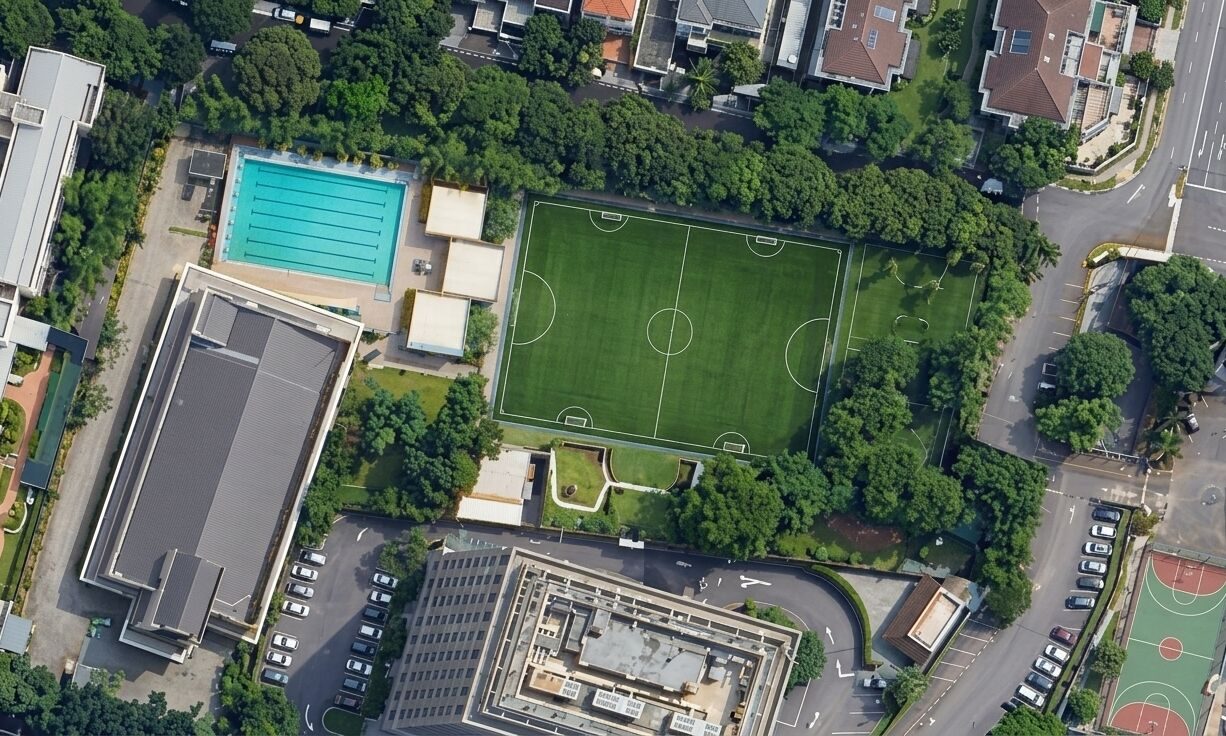
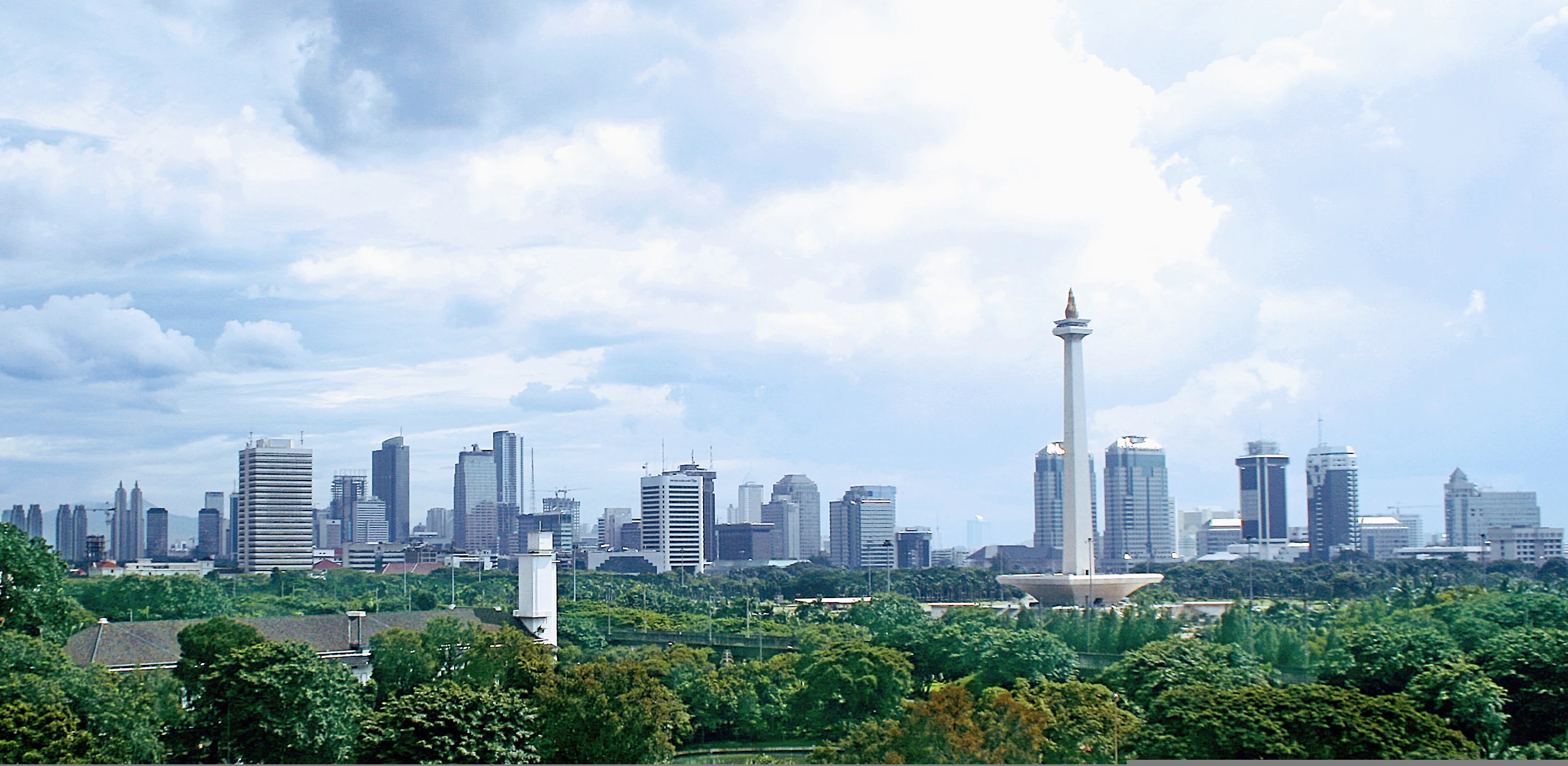
Honest accounts of expat quality of life in Jakarta are rarer than boosterish relocation guides. The city offers a great deal: affordable domestic help, a warm and active expat community, good private hospitals, fast internet, and a standard of living that most packages support comfortably. It also has two serious structural problems, traffic and air quality, that shape daily life in ways you feel every day.
Traffic: The Constraint That Shapes Everything
Jakarta ranked 24th in the TomTom Traffic Index 2025, with a congestion rate of 59.8 percent. A 10-kilometre journey averaged 26 minutes and 19 seconds across the year, with average speeds during peak hours around 22.8 kilometres per hour. These are not figures that improve meaningfully at any time of day during term time. The school run is where families feel this most acutely.
Most experienced expat families in Jakarta make one consistent choice: they live within 20 minutes of their children's school. A 30-minute school run is manageable. A 60-minute school run, twice a day, in a hot car, is not. The Jakarta school commute times guide has real journey data by area. The neighbourhood choice and the school choice are not independent decisions in this city.
A driver is the standard solution for families who need to move around the city regularly. GrabCar is a reliable and affordable alternative for individual adults, but it does not replace a family driver who knows the school gate, the back roads, and your household's routine. Most expat families employ a driver from early in the posting rather than waiting to discover why.
Air Quality, Heat, and Flooding
Jakarta's air quality is a real issue, and one most relocation materials understate. PM2.5 levels consistently exceed World Health Organization guidelines, and as of mid-2025, conditions across Greater Jakarta had deteriorated further. The city is not uninhabitable, but it is not clean, and families with young children or anyone with respiratory sensitivities need to factor this in.
The practical response is indoor air filtration. Most expat families invest in HEPA purifiers for living rooms and bedrooms. Several international schools and offices activate indoor protocols when AQI readings exceed 150, limiting outdoor time. Monitoring apps such as IQAir and Nafas are used daily by families deciding whether morning outdoor exercise is sensible. The year-round temperature sits at 28 to 33 degrees Celsius with high humidity, which narrows the window for outdoor activity. The rainy season, roughly October to April, brings some air quality improvement but also flooding risk in lower-lying areas.
Flooding during heavy rain is not a theoretical risk. Kemang, one of the most popular expat neighbourhoods, floods regularly during the wet season. Ask specifically about the flood history of any property before signing a lease. Compounds on higher ground or within properly drained developments, common in Pondok Indah and parts of Cilandak, carry a real advantage during the wet months.
Household Help
Jakarta is one of a small number of postings where employing full-time domestic staff is both affordable and, for many families, necessary. Most expat households employ a pembantu (household helper), a driver, or both. A live-in helper typically costs between $200 and $400 per month, and a driver adds a similar amount. Together, they represent a monthly outlay that is a fraction of what equivalent care and logistics would cost in London, Sydney, or Singapore.
What this buys is time and headspace in a city that would otherwise consume both. A well-organised domestic setup handles the daily logistics, from school pickups to grocery runs, that Jakarta's traffic and heat otherwise make exhausting. Families who arrive without domestic help and try to run the household as they did at home typically find the first six months harder than those who establish that support early.
Children who grow up in Jakarta with Indonesian-speaking household staff also develop something less quantifiable: real exposure to Indonesian language and culture, a broader perspective on wealth and service, and often a warmth toward the country that lasts well past the posting.
Cost of Living
Jakarta's day-to-day costs are low by Western standards. Eating out at local warungs costs $1.50 to $3 per meal. A GrabCar across South Jakarta is rarely more than $5. Domestic services, from laundry to repairs, are cheap. Grab and Gojek handle pharmacy deliveries, food orders, and transport reliably and cheaply.
The costs that climb quickly are those that require international-standard provision. Groceries at Ranch Market or Farmers Market, which stock the imported goods most expat families want, are moderate to expensive. International school fees are the dominant budget line, typically $15,000 to $30,000 per child per year. International health insurance adds a further fixed cost. Families who try to run a Western consumption pattern in Jakarta spend accordingly.
Bureaucracy: KITAS, Banking, and Driving Licences
Indonesia's administrative processes require patience. KITAS renewal, typically annual for Work KITAS holders, involves gathering documents, waiting on government offices, and following a sequence that does not always move quickly. Opening a bank account requires a KITAS, a passport, a proof of address, and often multiple visits. Converting a foreign driving licence to an Indonesian one involves a multi-stage process most expats outsource to a local agent. None of this is insurmountable, and employer HR teams or relocation agents handle much of it for corporate hires, but build time for bureaucracy into your expectations, particularly in the first six months.
Community and Social Life
The Jakarta expat community is close-knit. Shared challenges, the school gate as a social hub, and a city where everyone relies on the same neighbourhoods and institutions create an unusually dense social network. Hash House Harriers runs, padel courts, restaurant openings in Senopati and Kemang, school fundraisers: the social calendar fills quickly. Families who arrive expecting isolation typically find the opposite. The challenge is usually finding enough quiet rather than enough company.
Healthcare
Private healthcare in Jakarta is strong at the top end. MRCCC Siloam, RSPI (Rumah Sakit Pondok Indah), and Pondok Indah Hospital all have English-speaking doctors and modern diagnostic equipment at a level comparable to Singapore or Bangkok, at considerably lower cost. For complex cases or specialist procedures, medical evacuation to Singapore remains the standard, and any international health plan should include it.
The Indonesian public system, BPJS Kesehatan, is available to KITAS holders but is not designed for the hospitals most expats use, so families carry international cover. Most corporate packages include international coverage. Families without employer-sponsored insurance should budget $400 to $600 per month for a comprehensive family plan including evacuation cover. ISJ's admissions team can connect prospective families with relocation contacts who have been through the setup firsthand.