

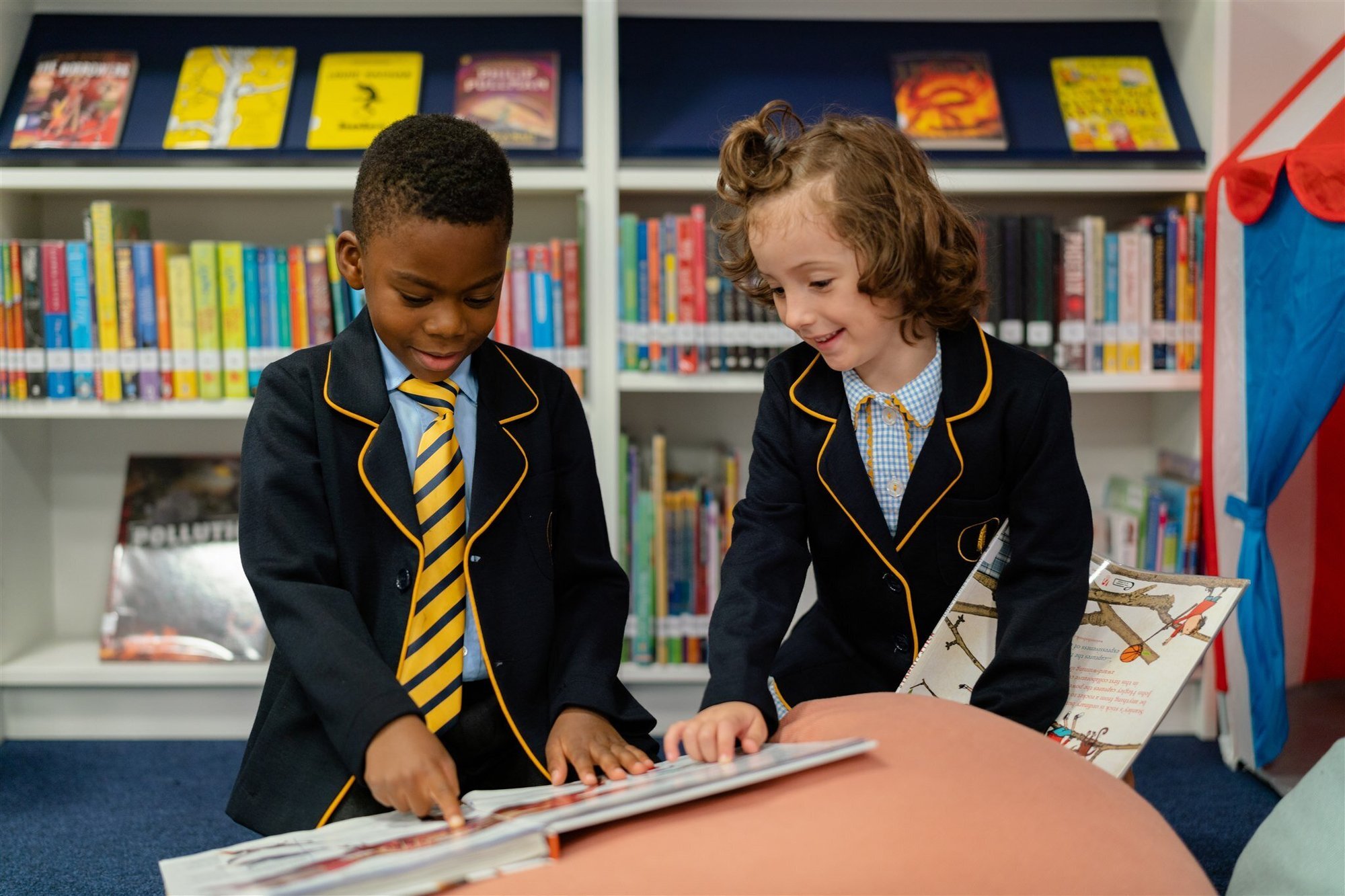
A five-year-old forming a wobbly letter “A” is doing something a keyboard can’t replicate. Each attempt is slightly different. That variation matters.
In some schools the pen has seen less use as classrooms filled up with tablets and laptops. The evidence on that change has become clearer. Handwriting is a distinct route into reading, memory and thought, and the case for keeping it is stronger than it was a decade ago.
What the brain does differently
The clearest evidence comes from watching the brain at work. When pre-literate children were taught letters by printing, typing or tracing them, only the children who had written the letters by hand went on to show activation in the brain's established reading network when they later saw those letters.
Typing and tracing did not produce the effect. The messy and effortful act of producing a letter, not just recognising it, appears to help wire it into the system that later supports reading.
Adults show a related pattern. A 2024 study at the Norwegian University of Science and Technology recorded high-density EEG while participants wrote words with a digital pen and typed the same words on a keyboard. Writing by hand produced widespread connectivity across parietal and central regions of the brain. Typing produced almost none. The researchers argue that the precise, controlled movements of forming letters feed the brain visual and motor information that supports learning and memory in a way pressing identical keys does not.
| Study | What it found |
|---|---|
| James and Engelhardt, 2012 | Five-year-olds recruited the reading circuit only after printing letters, not typing or tracing them. |
| Van der Weel and Van der Meer, 2024 | Handwriting produced widespread brain connectivity; typing the same words produced almost none. |
| Mueller and Oppenheimer, 2014 | Students who took notes by hand understood concepts better than those who typed verbatim. |
The note-taking finding has some nuance. The original study reported that longhand note-takers, who had to summarise rather than transcribe, understood the material better than laptop users. A later replication found the effect again but smaller and patchier. It appears that writing by hand tends to force selection and rephrasing, and that mental work is where the learning happens, whether the tool is a pen or a disciplined typist.
Why schools are rethinking screens
Policy is catching up with the lab. Sweden spent years digitising its classrooms, then reversed course when reading results slid. Its nine and ten-year-olds averaged 555 in the international PIRLS reading study in 2016 and 544 in 2021, a fall that unsettled a country used to strong results. The government moved to pull digital devices out of the early years, restore printed books, and give handwriting and sustained reading their place back.
Sweden moved to buy printed books for schools at scale, a deliberate step back from a screens first model.
What it means for us
None of this requires banning the tablet. Handwriting develops through use: paper and pencils within reach, shopping lists and birthday cards written by hand, time to draw and label a picture. Fine motor control comes before neat letters, so cutting, threading and building all feed the same system.
In the English National Curriculum handwriting is a taught strand in its own right. Children learn correct letter formation from Year 1 and move towards joined, legible, fluent writing they can produce fast enough to keep pace with their thinking. In our own classrooms that progress is visible, as forming letters shifts from a struggle to something fast and fluent.
Which returns us to the five year-old and the wobbly A. The shift from unevenness to competency is the work itself. The hand and the brain learning a letter by producing it, a step the keyboard skips. Slow is the point.