
Many young children in Jakarta grow up surrounded by more than one language. At home they might speak Indonesian, Mandarin, Javanese, or another mother tongue, while English is the language of school and, increasingly, of the wider world they are growing into. At ISJ, this multilingualism is treated as an advantage, not a complication.
Children bring their home languages, cultures, and ways of communicating into the classroom. These are not things to be set aside at the door. They are part of who each child is.
What It Means to Be a Multilingual Learner
A multilingual learner is a child developing two or more languages at once. Research shows that this early exposure supports cognitive growth, flexible thinking, creativity, and strong problem-solving skills. Children who maintain their home languages while developing English proficiency achieve stronger long-term outcomes than those encouraged to focus on English alone.
The brain of a multilingual child is not a container with a fixed amount of space. Each language a child develops strengthens the others. Vocabulary, grammatical awareness, and the capacity to think across different structures all transfer between languages in ways that benefit every subject across the curriculum.
Identity and Belonging
Language is never just a communication tool. It carries culture, memory, and identity. When a child hears their home language acknowledged at school, the message they receive is that who they are matters. When that language is absent or treated as irrelevant, the effect is the opposite.
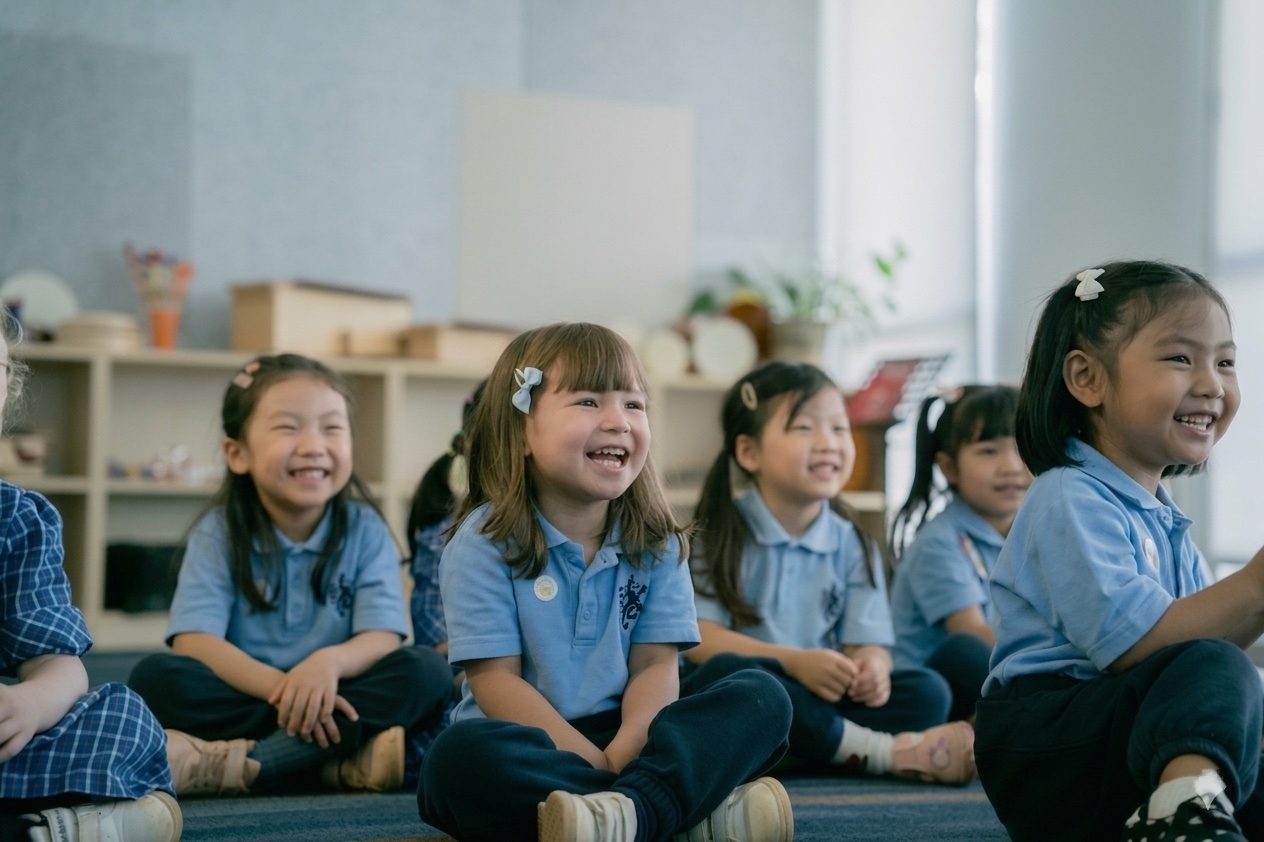
At ISJ, classrooms are designed to reflect the linguistic range of the children in them. Familiar words appear alongside English labels. Teachers show curiosity about the phrases and expressions children bring from home. These practices are deliberate, not decorative: a child who feels recognised is readier to learn. The Pre-Prep environment is shaped specifically to meet these youngest learners where they are.
Translanguaging in Practice
Children who are still acquiring English naturally draw on everything they already know. A child might describe a red block as merah or rojo before finding the English word. This natural blending of languages, known as translanguaging, is not a sign of confusion. It is evidence of a capable, active mind working across its full linguistic range.
ISJ educators make space for this. Rather than insisting on English at all times, teachers encourage children to express ideas in whichever language lets them think most clearly, then help them bridge toward English. This approach builds vocabulary and comprehension far more effectively than rigid English-only instruction.
Building Language Through the School Day
Language development at ISJ is not confined to English lessons. It runs through every part of the day.
- Play and routines: Educators describe objects, actions, and ideas in rich, clear language during everyday activities. Colours, shapes, textures, and quantities become part of natural conversation.
- Open questions: Teachers ask questions that invite children to think and explain: "How did you make your tower so tall?" or "What did you notice about your picture?" These prompts create longer, richer responses that extend vocabulary and build confidence.
- Art and making: Creative work provides strong opportunities for language. As children mix, pour, build, and describe, they acquire new verbs and adjectives in a context that makes meaning clear.
- Storytelling: A book read in English at school can go home to be read again in the family's language, strengthening comprehension and creating shared experiences between school and home.
Making Language Visible
When classroom labels, signs, and displays reflect the languages children speak at home, two things happen. First, children connect the written word to their existing linguistic knowledge, making the leap into English literacy less abstract. Second, they see evidence that their languages are valued in the learning space.
This visibility also sparks curiosity in other children. A child who speaks only English begins to notice that letters can work differently, that words for the same thing can look entirely unlike each other, and that the world contains more languages than the one they have grown up hearing.
Inclusion Through Linguistic Diversity
Supporting multilingual children is part of ISJ's broader commitment to inclusion. A classroom that celebrates linguistic diversity is one where every child feels heard. That sense of belonging encourages participation, strengthens emotional wellbeing, and creates conditions in which all pupils can take risks in their learning.
Children who grow up in multilingual environments also develop empathy and cultural awareness. They learn early that there are many ways to say the same thing, many ways to understand the world, and that each of those ways has value.
A child's language is part of their identity. Honouring it is part of honouring the whole child. At ISJ, the aim is to ensure that every child's linguistic background is a source of pride and a platform for growth, not something to be managed or minimised. Nurturing those strengths, while developing strong English alongside them, is at the heart of the approach to language and identity across the curriculum.