
Jakarta is a city of 30 million people across a metropolitan area the size of greater London. Get the neighbourhood right and daily life is manageable. Get it wrong and school runs become two-hour ordeals, weekends feel unreachable, and the city grinds you down.
Most expat and internationally-minded families end up in a small slice of the city.
The South Jakarta Corridor
South Jakarta is where the majority of expat families settle. It is a broad term, but the core of it runs through a corridor of neighbourhoods stretching from Kebayoran Baru in the north down through Kemang, Cipete, Cilandak, and into Pondok Indah. This is where most of the major international schools are, where most of the expat social infrastructure is concentrated, and where property designed for families tends to be.
The practical pull is the schools. JIS has its main Cilandak campus and a Pondok Indah elementary campus here. ISJ, ACG, the Lycée Français, and the Australian Independent School are all within this corridor. Families who prioritise a short school run tend to anchor themselves in this strip.
Pondok Indah
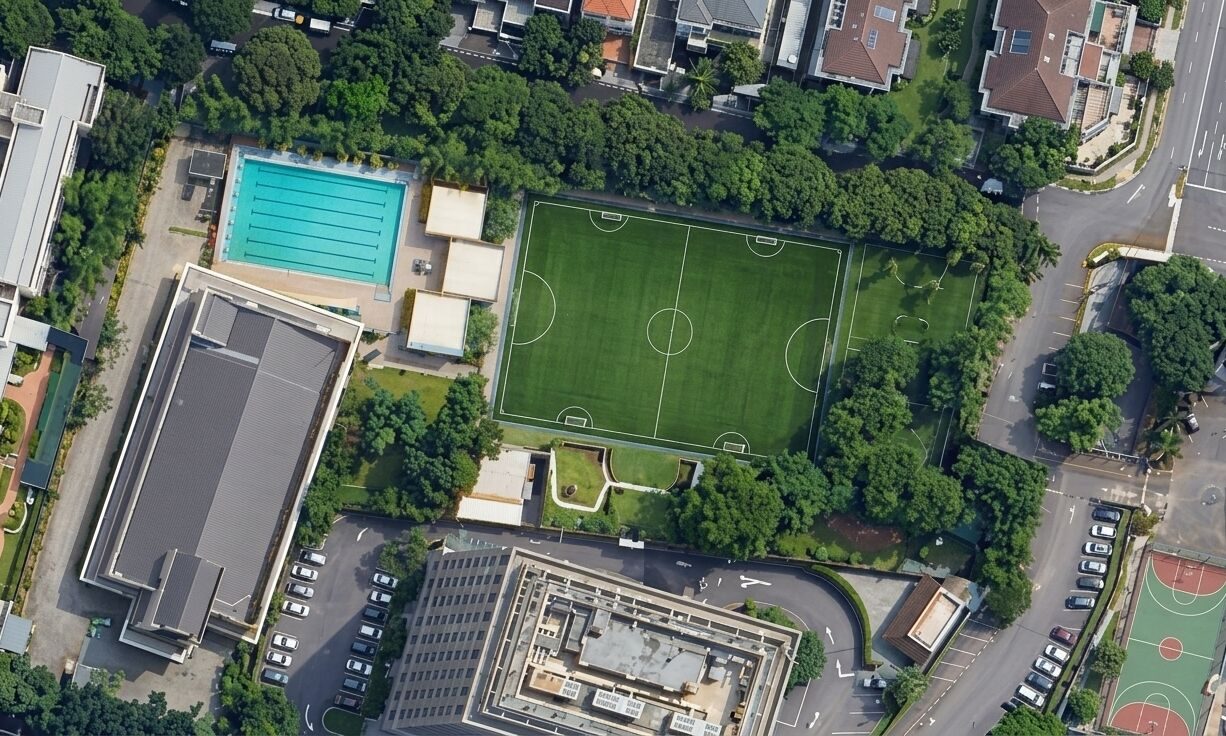
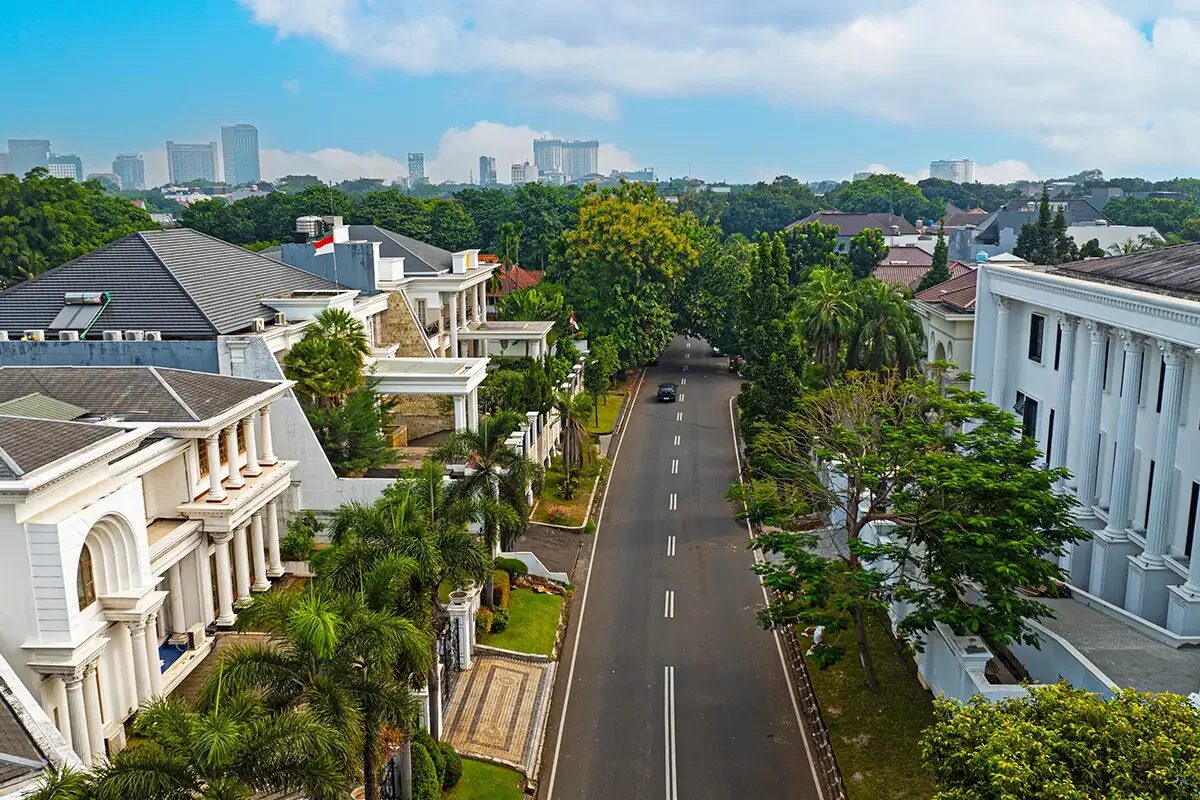
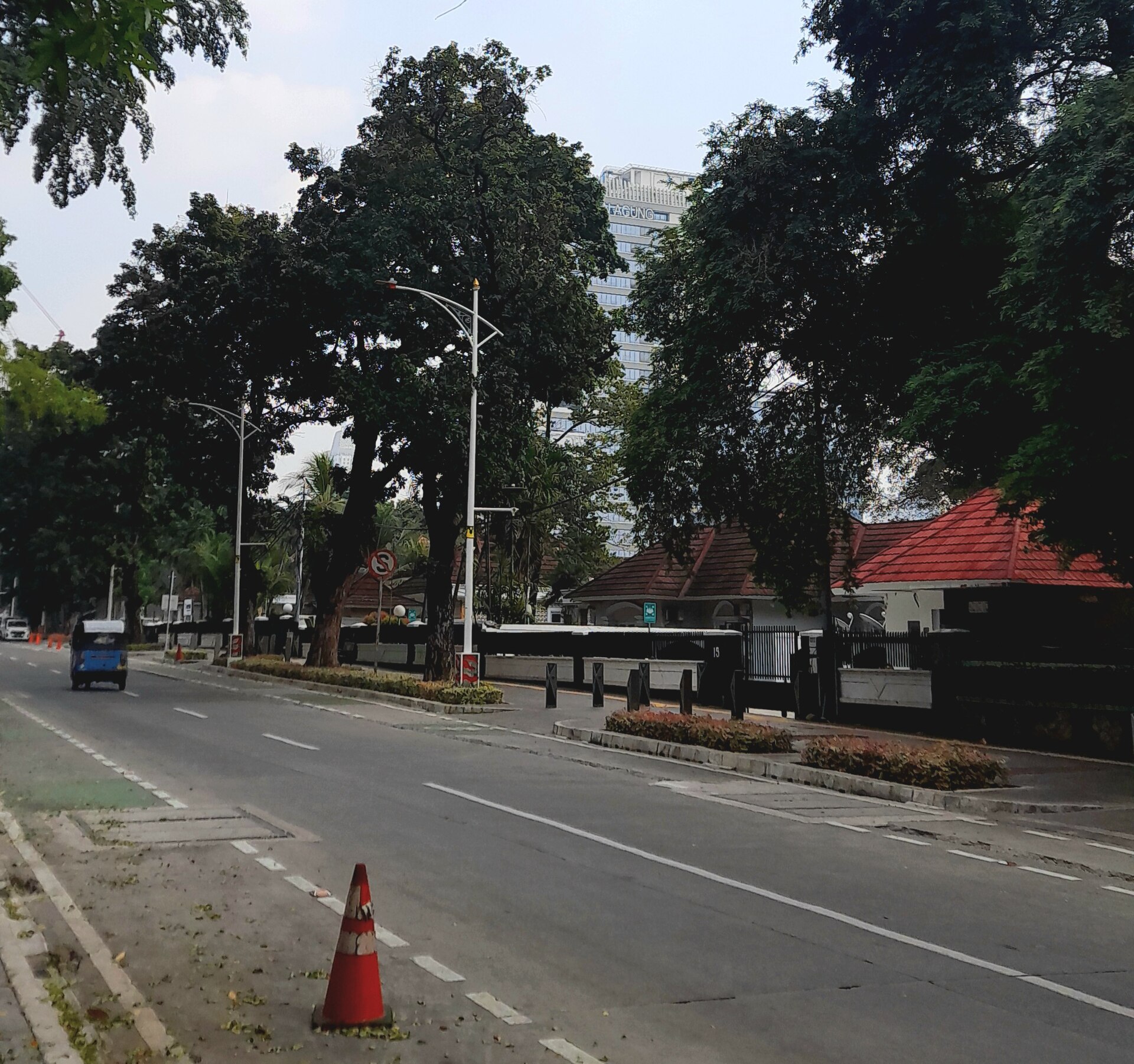
Pondok Indah is the area most often described as the natural choice for families. It was developed as a planned residential district, which shows. Wide, quiet streets, mature trees, large houses on proper plots, and a suburban pace that is unusual in a city of this scale. There is a full-scale mall, a golf course, a water park, an international hospital, and enough cafes, restaurants, and supermarkets that families rarely need to go far.
The trade-off is commute time to the main business districts. Getting to the SCBD takes 20 to 45 minutes depending on traffic. Getting to Central Jakarta is longer. Families with one parent working centrally and one at home often find the balance works well. Families with both parents working across the city can find the geography tiring.
Kemang, Cipete and Cilandak
These three neighbourhoods sit north of Pondok Indah and have a different character. Kemang is the most well-known, with a dense concentration of restaurants, bars, independent shops, and a strong social scene. It functions, in places, like an international village. The streets can be narrow, flooding is a known issue in some pockets, and traffic around the main strip is reliably bad. For families who value social life and proximity to the city, Kemang works well. For families with young children who want quiet streets, it can feel chaotic.
Cipete is quieter and slightly more affordable. It has its own selection of cafes and restaurants, a French community anchored by the Lycée Français, and good access to the main South Jakarta toll roads. Cilandak, further south, is more residential still, with the Executive Paradise and Astoria compounds popular among families who want a gated setting a short drive from the Cilandak campuses.

SCBD, Senopati and Kebayoran Baru
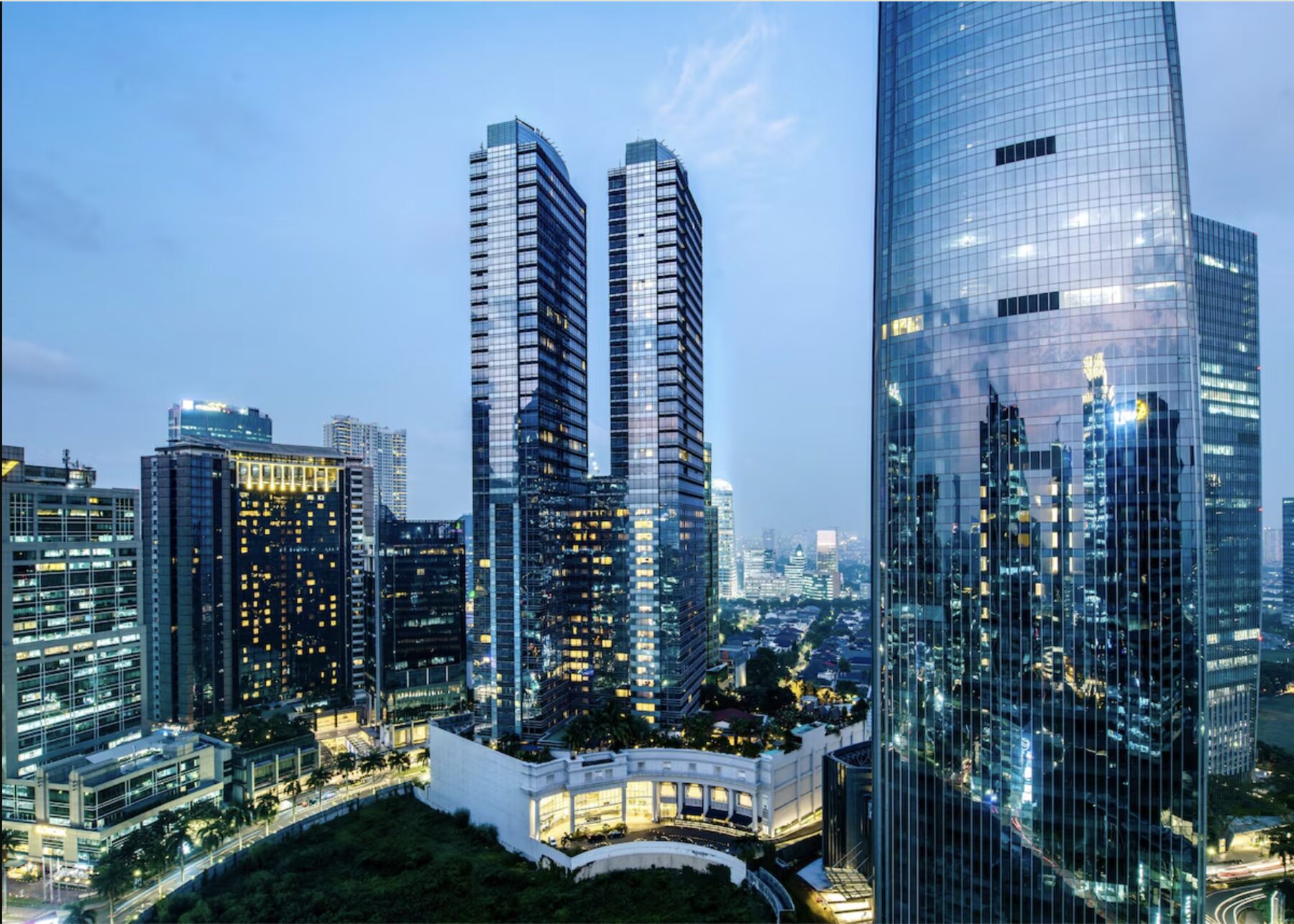
The Sudirman Central Business District and the areas immediately around it attract a different kind of expat resident. Senopati, often called the Soho of Jakarta, is dense with boutique restaurants, rooftop bars, and serviced apartment complexes. It appeals to younger professionals and couples more than to families with school-age children. There is less space, less green, and the social infrastructure is oriented toward adults rather than children.
Kebayoran Baru, just south of SCBD, has more residential character. The Sriwijaya area in particular has large houses and a reputation as one of Jakarta's most prestigious addresses, historically home to ambassadors and senior executives. The old money feel of Menteng, just to the north in Central Jakarta, is similar. Embassies, colonial-era houses, wide tree-lined streets. Beautiful, if you can find it, but less convenient for the South Jakarta school corridor.
Bintaro and the Tangerang Fringe
Bintaro sits just beyond the South Jakarta border in Tangerang, and it has grown significantly as a residential area over the past decade. Houses are larger, plots are bigger, and prices are lower than the Pondok Indah corridor. The British School Jakarta (BSJ) is located here, and a community has grown around it.
The catch is distance. Families commuting to offices in the SCBD or central Jakarta face a meaningful daily journey. Getting from Bintaro to Pondok Indah during peak hours takes 45 minutes to an hour or more. BSD City, further west in Tangerang, is similar: spacious, greener, more affordable, and a long way from the city centre. These areas suit families where at least one parent works locally, or where lifestyle priorities outweigh commute concerns.
North Jakarta and PIK
Pantai Indah Kapuk (PIK) in North Jakarta has a distinct character from the South Jakarta corridor. It is closer to the airport, sits near the coast, and has developed a strong dining and entertainment scene. The community skews more heavily towards Indonesian-Chinese families. There are international schools here, including North Jakarta Intercultural School, but the area is largely disconnected from the South Jakarta school corridor and social scene. Families choosing PIK tend to have specific reasons for being in the north rather than defaulting there.
The Practical Decision
For most families arriving in Jakarta with school-age children, the choice comes down to: how much do you value a quiet, suburban setting versus proximity to the city? Pondok Indah and Cilandak offer the former. Kemang and Cipete sit in between. SCBD and Senopati offer the latter, but are better suited to life without school-age children.
School location is the single biggest practical constraint. A 30-minute school run is manageable. A 60-minute one, twice a day, five days a week, is not. For families considering ISJ in Pondok Indah, the surrounding neighbourhoods, from Pondok Indah itself to Cipete and Kemang, all offer a reasonable daily commute. The Jakarta school commute times guide has real travel data if you want to compare journeys by area.